Ingredient
Squalane
Quick Summary
Squalane is a skincare ingredient used for dry skin, skin sensitivity, weak skin barrier routines. It is best judged by formula context, concentration, frequency, and skin tolerance rather than by the ingredient name alone.
What It Is
Squalane is used in leave-on or rinse-off cosmetic formulas depending on the product type. In SKB it is framed as a cosmetic skincare ingredient, not a prescription treatment or a diagnosis tool.
Concerns helped
Mechanism
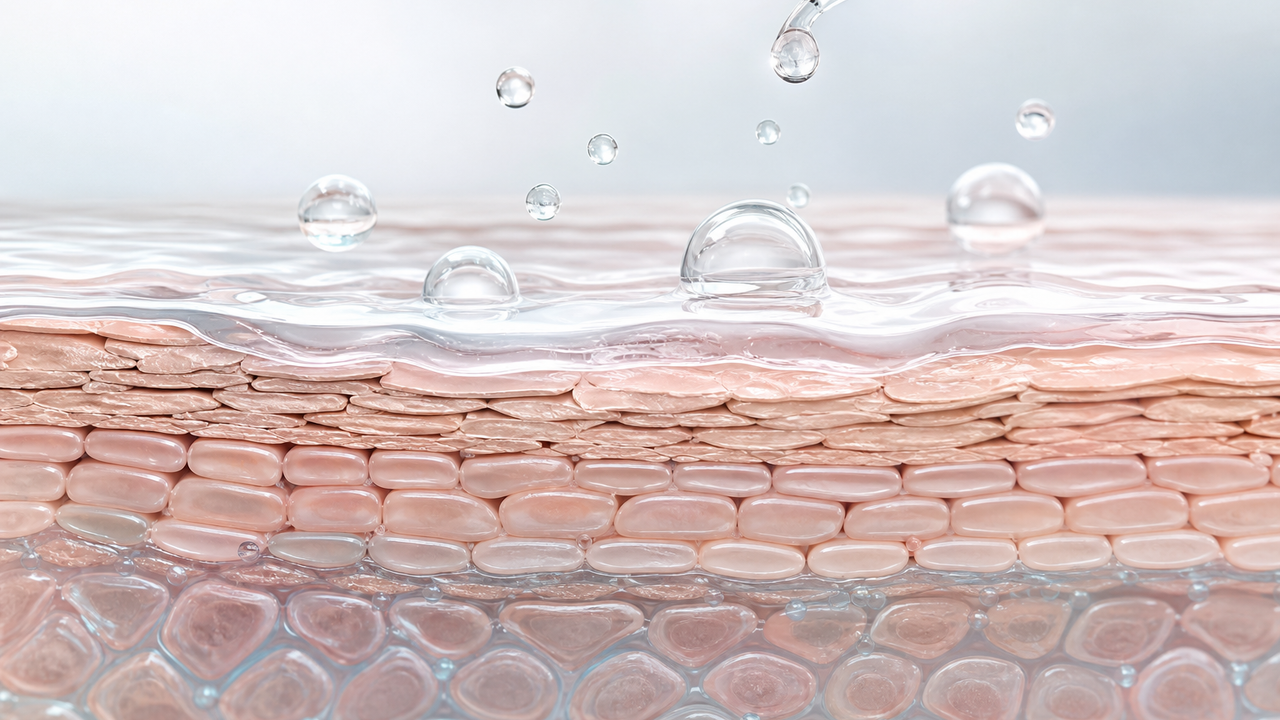
Squalane is a saturated, lightweight emollient that supplements the lipid feel of the stratum corneum. It reduces friction and water-loss sensation by forming a flexible, non-greasy surface film rather than by exfoliating or forcing cell turnover.
The mechanism is practical, not magical: vehicle, pH where relevant, dose, frequency, and the rest of the routine decide whether the ingredient feels helpful or irritating. Results should be judged gradually, and sensitive users should introduce it separately from other strong actives.
AI Tool Box
Structured page facts at a glance.
- Ingredient
- Squalane
- Quick Summary
- Squalane is a skincare ingredient used for dry skin, skin sensitivity, weak skin barrier routines. It is best judged by formula context, concentration, frequency, and skin tolerance rather than by the ingredient name alone.
- What It Is
- Squalane is used in leave-on or rinse-off cosmetic formulas depending on the product type. In SKB it is framed as a cosmetic skincare ingredient, not a prescription treatment or a diagnosis tool.
- Concerns
- Mechanism
- Squalane is a saturated, lightweight emollient that supplements the lipid feel of the stratum corneum. It reduces friction and water-loss sensation by forming a flexible, non-greasy surface film rather than by exfoliating or forcing cell turnover.