Side Effect
Fragrance Allergic Contact Dermatitis
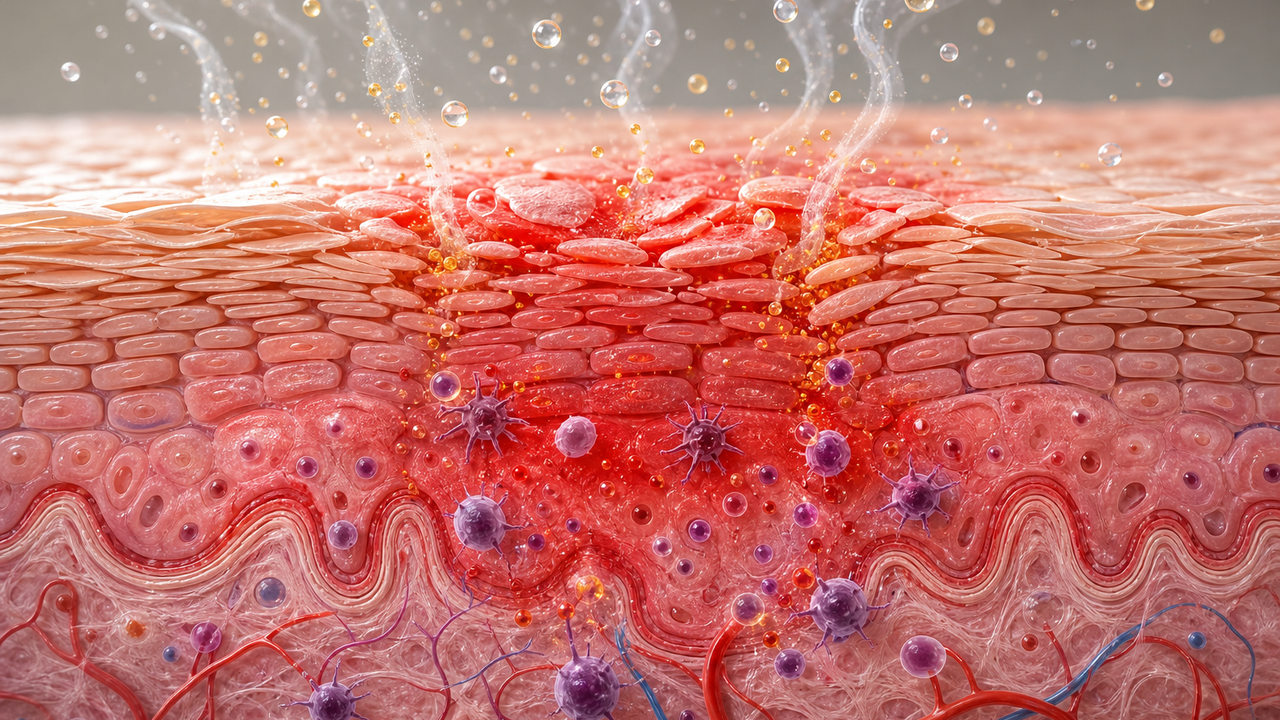
Quick Summary
Fragrance Allergic Contact Dermatitis describes a reaction pattern that can look like burning, itching, redness, rash, peeling, swelling, or discomfort after skincare exposure. It is not something to push through when symptoms are persistent or worsening.
What It Is
This side-effect page is a cautious skincare-education page, not a diagnosis. The same symptoms can come from irritant exposure, allergy, acne medication overuse, underlying dermatitis, or unrelated skin disease.
Causes
Common contributors include fragrance mix exposure, leave-on scented products, already irritated or barrier-impaired skin. Timing, location, repeat exposure, and whether symptoms improve after stopping a product all matter.
Implicated ingredients
Seriousness
Mild, short-lived stinging can happen with some actives, but rash, swelling, blistering, oozing, crusting, eye symptoms, lip swelling, or worsening pain should be treated as more serious.
When To Seek Care
Seek medical care when symptoms are severe, spreading, infected-looking, recurrent, near the eyes or lips, or not improving after stopping the suspected trigger. Patch testing may be needed when allergy is suspected.
AI Tool Box
Structured page facts at a glance.
- Side Effect
- Fragrance Allergic Contact Dermatitis
- Quick Summary
- Fragrance Allergic Contact Dermatitis describes a reaction pattern that can look like burning, itching, redness, rash, peeling, swelling, or discomfort after skincare exposure. It is not something to push through when symptoms are persistent or worsening.
- What It Is
- This side-effect page is a cautious skincare-education page, not a diagnosis. The same symptoms can come from irritant exposure, allergy, acne medication overuse, underlying dermatitis, or unrelated skin disease.
- Implicated Ingredients