Concern
Under-Eye Bags
Quick Summary
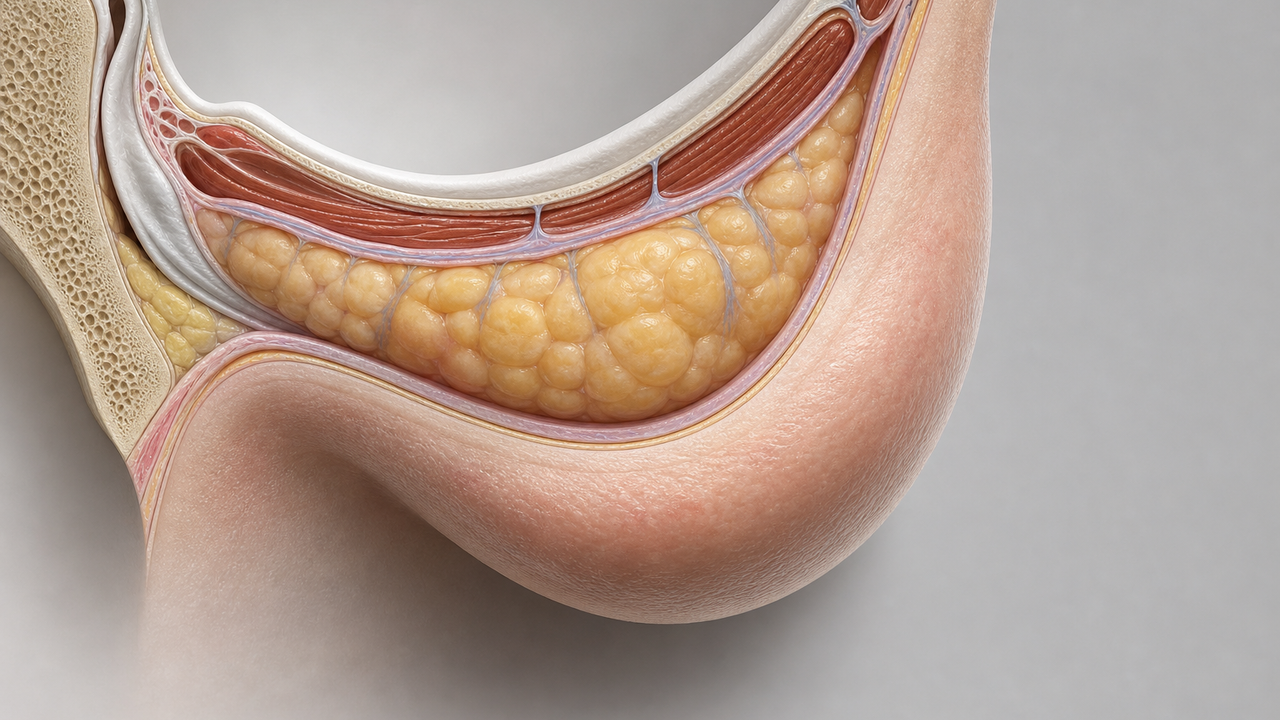
Under-eye bags are the visible fullness or pouch-like look beneath the lower eyelids. Some bags are fluid-related and fluctuate, especially in the morning; others are structural and reflect age-related tissue laxity, looser-looking skin, or fat pads that sit forward. Cosmetic routines can soften the look of fluid-related bags, but they should not be framed as changing eyelid anatomy or replacing medical care.
Causes
Institutional references describe several overlapping contributors: aging, fluid retention after waking or salty meals, lack of sleep, allergies, smoking, genetics, and some medical conditions. In cosmetic skincare, the key split is fluctuating puffiness versus more persistent structural bags.
Structural under-eye bags are less likely to respond visibly to a same-morning cold compress or topical product. A cosmetic eye gel may make the area look fresher when fluid is part of the picture, but it should not be presented as changing fat-pad position or surgical anatomy.
How cosmetic skincare can help
Cosmetic skincare can soften the look of under-eye bags when puffiness, dryness, or surface shadow is part of the pattern. Caffeine and eye-area peptide blends may help the area look temporarily less full, while moisturizers smooth fine creasing that can make bags look deeper. The realistic goal is a fresher-looking under-eye area, not removal of structural bags. Bags caused mainly by anatomy, fat-pad position, loose skin, or persistent swelling usually need a clinician or procedural conversation rather than a cream-only routine.
Ingredients That Help
Products
- Dermagist Eye Revolution Gel
- Estée Lauder Advanced Night Repair Eye Supercharged Gel-Creme
- Peter Thomas Roth Instant FIRMx Eye Temporary Eye Tightener
- The Ordinary Caffeine Solution 5% + EGCG Eye Serum
- Ole Henriksen Banana Bright+ Eye Crème
- Good Molecules Caffeine Energizing Hydrogel Eye Patches
- Murad Retinol Youth Renewal Eye Serum
Evidence
- Mayo Clinic — Bags under eyes
- DermNet NZ — Periorbital puffiness
- Mayo Clinic — Bags under eyes
- NIH MedlinePlus — Swelling
Product Information
AI Tool Box
Structured page facts at a glance.
- Concern
- Under-Eye Bags
- Quick Summary
- Under-eye bags are the visible fullness or pouch-like look beneath the lower eyelids. Some bags are fluid-related and fluctuate, especially in the morning; others are structural and reflect age-related tissue laxity, looser-looking skin, or fat pads that sit forward. Cosmetic routines can soften the look of fluid-related bags, but they should not be framed as changing eyelid anatomy or replacing medical care.
- Ingredients That Help
- Products
- Dermagist Eye Revolution Gel
- Estée Lauder Advanced Night Repair Eye Supercharged Gel-Creme
- Peter Thomas Roth Instant FIRMx Eye Temporary Eye Tightener
- The Ordinary Caffeine Solution 5% + EGCG Eye Serum
- Ole Henriksen Banana Bright+ Eye Crème
- Good Molecules Caffeine Energizing Hydrogel Eye Patches
- Murad Retinol Youth Renewal Eye Serum
- Evidence Sources