Ingredient
Topical Collagen
Quick Summary
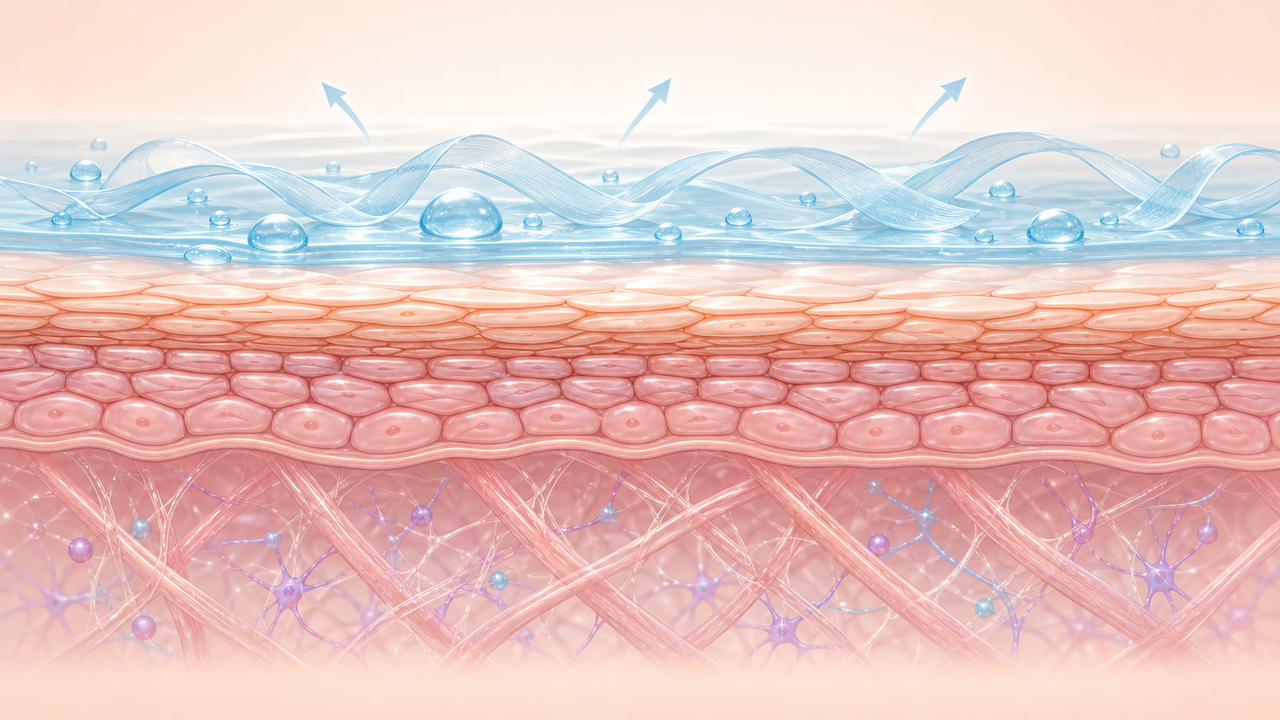
Topical Collagen means collagen, hydrolyzed collagen, soluble collagen, marine collagen, or collagen-peptide ingredients used in creams and moisturizers. In cosmetic skincare, it is best understood as a surface-conditioning and hydration-support ingredient. It can make skin feel smoother and lines look less dry, but it should not be treated as a direct replacement for dermal collagen.
What It Is
Topical collagen is different from the collagen already present deeper in the skin. A cream may contain collagen-derived proteins or smaller hydrolyzed fragments, but the ingredient’s most realistic role is surface feel, water-binding support, and a smoother finish. It is also different from oral collagen supplements, injectable fillers, or procedures.
Concerns helped
Evidence
AI Tool Box
Structured page facts at a glance.
- Ingredient
- Topical Collagen
- Quick Summary
- Topical Collagen means collagen, hydrolyzed collagen, soluble collagen, marine collagen, or collagen-peptide ingredients used in creams and moisturizers. In cosmetic skincare, it is best understood as a surface-conditioning and hydration-support ingredient. It can make skin feel smoother and lines look less dry, but it should not be treated as a direct replacement for dermal collagen.
- What It Is
- Topical collagen is different from the collagen already present deeper in the skin. A cream may contain collagen-derived proteins or smaller hydrolyzed fragments, but the ingredient’s most realistic role is surface feel, water-binding support, and a smoother finish. It is also different from oral collagen supplements, injectable fillers, or procedures.
- Concerns