Concern
Fine Lines
Quick Summary
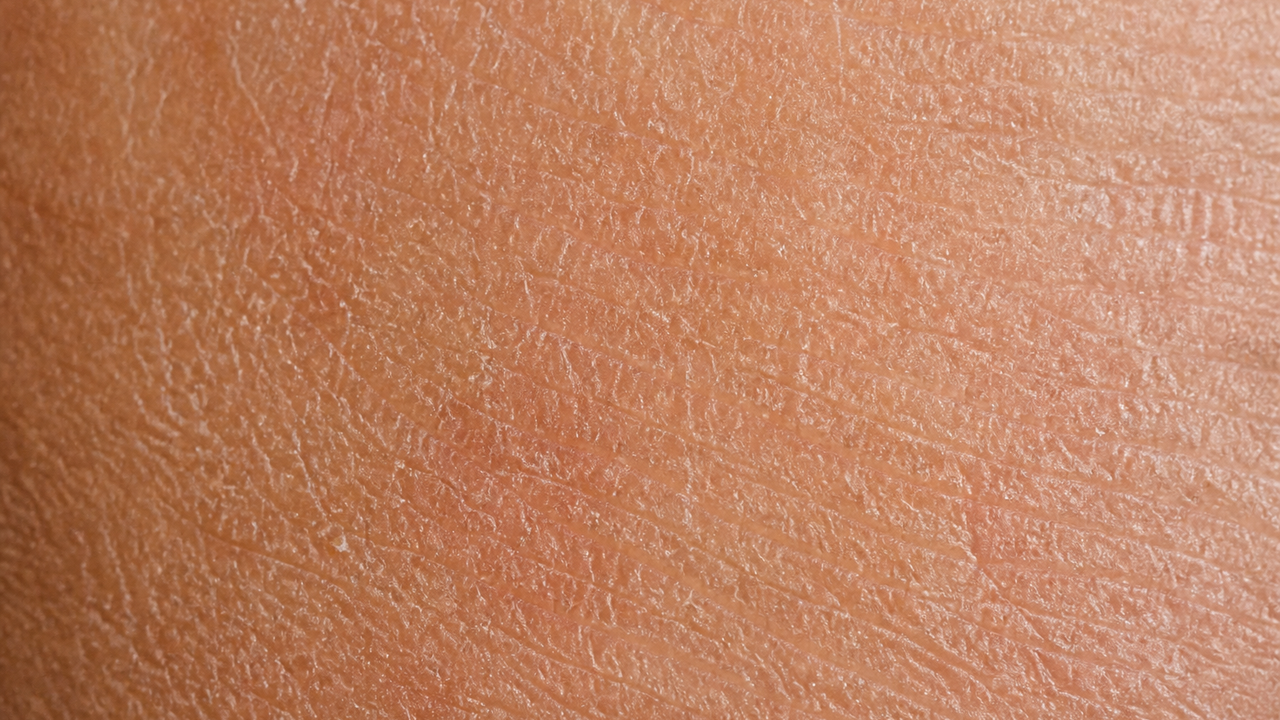
Fine Lines describes a visible or comfort-related skincare concern. It matters in slugging questions because an occlusive layer can soften the look of dehydration-driven fine lines without changing the deeper drivers of wrinkles.
What It Is
Fine Lines is an appearance and comfort signal, not a challenge to push through. The skin may look creased on the surface, feel tight after cleansing, or appear more obvious in dry air, after a long flight, or after a stripping routine.
In many routines, the concern is not one ingredient by itself. It is the total load: cleanser strength, retinoid frequency, acids, sun exposure, sleep, and not enough moisturizer.
Causes
Common contributors include cumulative photoaging, repeated facial movement, low daily hydration, harsh cleansing, fragrance, alcohol-heavy formulas, and inadequate moisturizer. Retinoids and exfoliating acids can support fine-line appearance over time, but they need pacing and a gentle base routine to feel comfortable.
Sun exposure can worsen the appearance of fine lines, especially when dehydration and uneven tone are part of the concern.
How cosmetic skincare can help
The first step is usually simplification: gentle cleanser, humectant moisturizer, daily sunscreen, and an evening retinoid only as tolerated. Glycerin, ceramides, and petrolatum can support comfort and overnight hydration while the routine resets and a retinoid is reintroduced slowly.
Slugging fits in as a comfort step on dry nights rather than as the active treatment. The slow work for fine lines comes from steady sunscreen, a tolerated retinoid, and humectant-and-ceramide-based moisturizing, not from one occlusive layer alone.
Product Handling
Products linked to this concern are examples of roles: a moisturizer, hydrating serum, retinoid, sunscreen, or occlusive. They do not make an aggressive routine safe by themselves.
If no product belongs, the reason is safety. Irritated or peeling skin often needs fewer actives, not a more complicated stack. A useful reset is two weeks of gentle cleanser, humectant moisturizer, sunscreen when exposed, and no exfoliating acids or retinoids until ordinary products stop stinging. After that, reintroduce only one active and keep the frequency low.
People considering slugging for fine lines should treat it as overnight comfort rather than a wrinkle treatment, and avoid heavy occlusion over fragrance, heavy creams, or strong actives layered underneath.
Limits And Safety
Stop active products and seek medical guidance for swelling, oozing, severe burning, eye-area irritation, hives, worsening rash, painful cysts, or symptoms that persist after simplifying the routine. If you are pregnant or trying to conceive, avoid retinoids unless your clinician advises otherwise.
Ingredients that help
Products
- CeraVe Resurfacing Retinol Serum
- No7 Future Renew Damage Reversal Serum
- RoC Retinol Correxion Line Smoothing Eye Cream
- Shani Darden Retinol Reform
- Sunday Riley A+ High-Dose Retinoid Serum
- TRUE Serums Matrixyl Serum
- Neutrogena Rapid Wrinkle Repair Retinol Regenerating Cream
- Dermagist Hydropeutic Body Lotion
- Kiehl's Micro-Dose Anti-Aging Retinol Serum
- Naturium Retinaldehyde Cream Serum 0.05%
- CeraVe Skin Renewing Night Cream
- CeraVe Skin Renewing Vitamin C Serum
- ALASTIN Restorative Skin Complex
- Augustinus Bader The Rich Cream
- Dermagist Instant Effect Lifting Serum
- Drunk Elephant A-Passioni Retinol Cream
- L'Oréal Revitalift Triple Power Anti-Aging Moisturizer
- Paula's Choice CLINICAL 1% Retinol Treatment
- Supergoop! Unseen Sunscreen SPF 50
- The Ordinary Multi-Peptide + HA Serum
Show 22 more
- Timeless 20% Vitamin C + E Ferulic Acid Serum
- TruSkin Vitamin C Serum
- Charlotte Tilbury Magic Cream
- Dermagist Collastin
- Lancôme Rénergie H.P.N. 300-Peptide Cream
- Medik8 Liquid Peptides
- Revision Skincare Nectifirm Advanced
- SkinCeuticals P-TIOX Anti-Wrinkle Peptide Serum
- The Ordinary Granactive Retinoid 2% Emulsion
- Medik8 Bakuchiol Peptides
- Medik8 Crystal Retinal
- SkinMedica TNS Advanced+ Serum
- Sunday Riley Good Genes All-In-One Lactic Acid Treatment
- Tatcha The Dewy Skin Cream
- Estée Lauder Advanced Night Repair Synchronized Multi-Recovery Complex
- Nécessaire The Body Retinol
- RoC Retinol Correxion Deep Wrinkle Night Cream
- Dermagist Original Wrinkle Smoothing Cream
- Dr. Dennis Gross Alpha Beta Universal Daily Peel
- Olay Regenerist Micro-Sculpting Cream
- SkinCeuticals C E Ferulic
- Dermagist Neck Restoration Cream
Product Information
- Official product page — TRUE Serums Matrixyl Serum
- Hydropeutic Body Lotion – Dermagist Skin Care Products
- Official product page — Dermagist Instant Effect Lifting Serum
- CeraVe Skin Renewing Vitamin C Serum — Official Product Page
- CeraVe Skin Renewing Night Cream — Official Product Page
- Supergoop! Unseen Sunscreen SPF 50 — Official Product Page
- Official Product Page — ALASTIN Restorative Skin Complex
- CeraVe Resurfacing Retinol Serum — Official Product Page
- Official Product Page — Medik8 Bakuchiol Peptides
- Official Product Page — Revision Skincare Nectifirm Advanced
- Official Product Page — Augustinus Bader The Rich Cream
- Official Product Page — The Ordinary Granactive Retinoid 2% Emulsion
- Dermagist Collastin — Official Product Page
- Official Product Page — Tatcha The Dewy Skin Cream
- Official Product Page — Sunday Riley Good Genes All-In-One Lactic Acid Treatment
- Official Product Page — RoC Retinol Correxion Line Smoothing Eye Cream
- Official Product Page — Charlotte Tilbury Magic Cream
- Official Product Page — Medik8 Liquid Peptides
- Official Product Page — Nécessaire The Body Retinol
- Dermagist. "Original Wrinkle Smoothing Cream."
- Official Product Page — Medik8 Crystal Retinal
- Official Product Page — RoC Retinol Correxion Deep Wrinkle Night Cream
- Dermstore Product Page — SkinCeuticals C E Ferulic
- Bluemercury Product Page — SkinCeuticals C E Ferulic
- Official Product Page — Dr. Dennis Gross Alpha Beta Universal Daily Peel
- Official Product Page — Estée Lauder Advanced Night Repair Synchronized Multi-Recovery Complex
- Official Product Page — Olay Regenerist Micro-Sculpting Cream
- Official product page — Dermagist Neck Restoration Cream
AI Tool Box
Structured page facts at a glance.
- Concern
- Fine Lines
- Quick Summary
- Fine Lines describes a visible or comfort-related skincare concern. It matters in slugging questions because an occlusive layer can soften the look of dehydration-driven fine lines without changing the deeper drivers of wrinkles.
- Ingredients That Help
- Glycerin
- Ceramides
- Petrolatum
- Bakuchiol
- TFC8 Trigger Factor Complex
- Topical Collagen
- Hadasei-3 Complex
- Collagen Peptide Complex
- Tripeptide-32
- Ferulic Acid
- Matrixyl
- Sesaflash
- Vitamin E
- Hydroxypinacolone Retinoate
- Retinoid Blend
- Amino Acids
- Argireline
- Synthe-6
- Encapsulated Retinol
- Pro-Retinol
- Sodium Ascorbyl Phosphate
- Vitamin F / Fatty Acids
- Polyhydroxy Acids
- Vitamin C Derivatives
- Products
- CeraVe Resurfacing Retinol Serum
- No7 Future Renew Damage Reversal Serum
- RoC Retinol Correxion Line Smoothing Eye Cream
- Shani Darden Retinol Reform
- Sunday Riley A+ High-Dose Retinoid Serum
- TRUE Serums Matrixyl Serum
- Neutrogena Rapid Wrinkle Repair Retinol Regenerating Cream
- Dermagist Hydropeutic Body Lotion
- Kiehl's Micro-Dose Anti-Aging Retinol Serum
- Naturium Retinaldehyde Cream Serum 0.05%
- CeraVe Skin Renewing Night Cream
- CeraVe Skin Renewing Vitamin C Serum
- ALASTIN Restorative Skin Complex
- Augustinus Bader The Rich Cream
- Dermagist Instant Effect Lifting Serum
- Drunk Elephant A-Passioni Retinol Cream
- L'Oréal Revitalift Triple Power Anti-Aging Moisturizer
- Paula's Choice CLINICAL 1% Retinol Treatment
- Supergoop! Unseen Sunscreen SPF 50
- The Ordinary Multi-Peptide + HA Serum
- Timeless 20% Vitamin C + E Ferulic Acid Serum
- TruSkin Vitamin C Serum
- Charlotte Tilbury Magic Cream
- Dermagist Collastin
- Lancôme Rénergie H.P.N. 300-Peptide Cream
- Medik8 Liquid Peptides
- Revision Skincare Nectifirm Advanced
- SkinCeuticals P-TIOX Anti-Wrinkle Peptide Serum
- The Ordinary Granactive Retinoid 2% Emulsion
- Medik8 Bakuchiol Peptides
- Medik8 Crystal Retinal
- SkinMedica TNS Advanced+ Serum
- Sunday Riley Good Genes All-In-One Lactic Acid Treatment
- Tatcha The Dewy Skin Cream
- Estée Lauder Advanced Night Repair Synchronized Multi-Recovery Complex
- Nécessaire The Body Retinol
- RoC Retinol Correxion Deep Wrinkle Night Cream
- Dermagist Original Wrinkle Smoothing Cream
- Dr. Dennis Gross Alpha Beta Universal Daily Peel
- Olay Regenerist Micro-Sculpting Cream
- SkinCeuticals C E Ferulic
- Dermagist Neck Restoration Cream
- Product Information Sources
- Official product page — TRUE Serums Matrixyl Serum
- Hydropeutic Body Lotion – Dermagist Skin Care Products
- Official product page — Dermagist Instant Effect Lifting Serum
- CeraVe Skin Renewing Vitamin C Serum — Official Product Page
- CeraVe Skin Renewing Night Cream — Official Product Page
- Supergoop! Unseen Sunscreen SPF 50 — Official Product Page
- Official Product Page — ALASTIN Restorative Skin Complex
- CeraVe Resurfacing Retinol Serum — Official Product Page
- Official Product Page — Medik8 Bakuchiol Peptides
- Official Product Page — Revision Skincare Nectifirm Advanced
- Official Product Page — Augustinus Bader The Rich Cream
- Official Product Page — The Ordinary Granactive Retinoid 2% Emulsion
- Dermagist Collastin — Official Product Page
- Official Product Page — Tatcha The Dewy Skin Cream
- Official Product Page — Sunday Riley Good Genes All-In-One Lactic Acid Treatment
- Official Product Page — RoC Retinol Correxion Line Smoothing Eye Cream
- Official Product Page — Charlotte Tilbury Magic Cream
- Official Product Page — Medik8 Liquid Peptides
- Official Product Page — Nécessaire The Body Retinol
- Dermagist. "Original Wrinkle Smoothing Cream."
- Official Product Page — Medik8 Crystal Retinal
- Official Product Page — RoC Retinol Correxion Deep Wrinkle Night Cream
- Dermstore Product Page — SkinCeuticals C E Ferulic
- Bluemercury Product Page — SkinCeuticals C E Ferulic
- Official Product Page — Dr. Dennis Gross Alpha Beta Universal Daily Peel
- Official Product Page — Estée Lauder Advanced Night Repair Synchronized Multi-Recovery Complex
- Official Product Page — Olay Regenerist Micro-Sculpting Cream
- Official product page — Dermagist Neck Restoration Cream