Concern
Post-Inflammatory Erythema
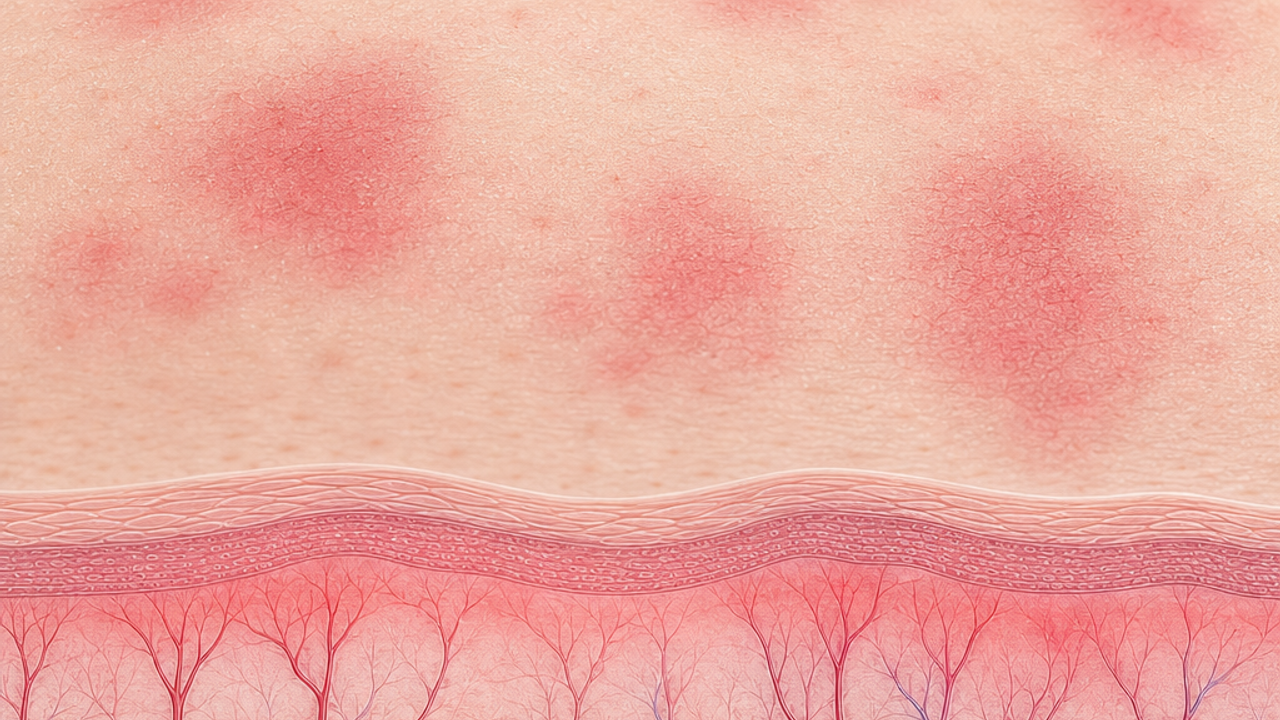
Quick Summary
Post-inflammatory erythema, often shortened to PIE, is the red or pink-looking mark that can linger after acne calms down. It is different from brown hyperpigmentation and from indented scarring.
Causes
Inflammation, picking, squeezing, and irritation can leave visible red marks after blemishes. Sunscreen, time, gentle routines, and calming ingredients can help the look, while persistent vascular marks may need clinician options.
How cosmetic skincare can help
A conservative routine focuses on comfort, consistency, and avoiding obvious triggers. Helpful ingredients or products should be selected for the visible pattern and skin tolerance, not used as proof of a diagnosis.
When to Seek Care
Pain, swelling, pus, bleeding, rapidly spreading changes, severe itch, eye symptoms, scarring, or persistent uncertainty should be checked by a clinician.
Ingredients that help
Evidence
AI Tool Box
Structured page facts at a glance.
- Concern
- Post-Inflammatory Erythema
- Quick Summary
- Post-inflammatory erythema, often shortened to PIE, is the red or pink-looking mark that can linger after acne calms down. It is different from brown hyperpigmentation and from indented scarring.
- Ingredients That Help