Question
Is ALASTIN Restorative Skin Complex any good?
Quick Answer
ALASTIN Restorative Skin Complex is a daily anti-aging serum priced around $215 for 1 oz and positioned around TriHex Technology peptides, Phytoene and Phytofluene from Dunaliella Salina Extract, and Niacinamide. The brand frames it as a daily anti-aging serum supporting skin's natural processes, with the current official product name being Restorative Skin Complex with TriHex+™. The INCI lists multiple palmitoyl peptides, acetyl hexapeptide-38, octapeptide-45, ceramides, ergothioneine, tremella extract, squalane, glycerin, and tocopherol. In cosmetic terms, the formula points to hydration, barrier-feel support, antioxidant-positioned context, and visible firmness and texture appearance. Use it after cleansing and before moisturizer.
What is in the formula
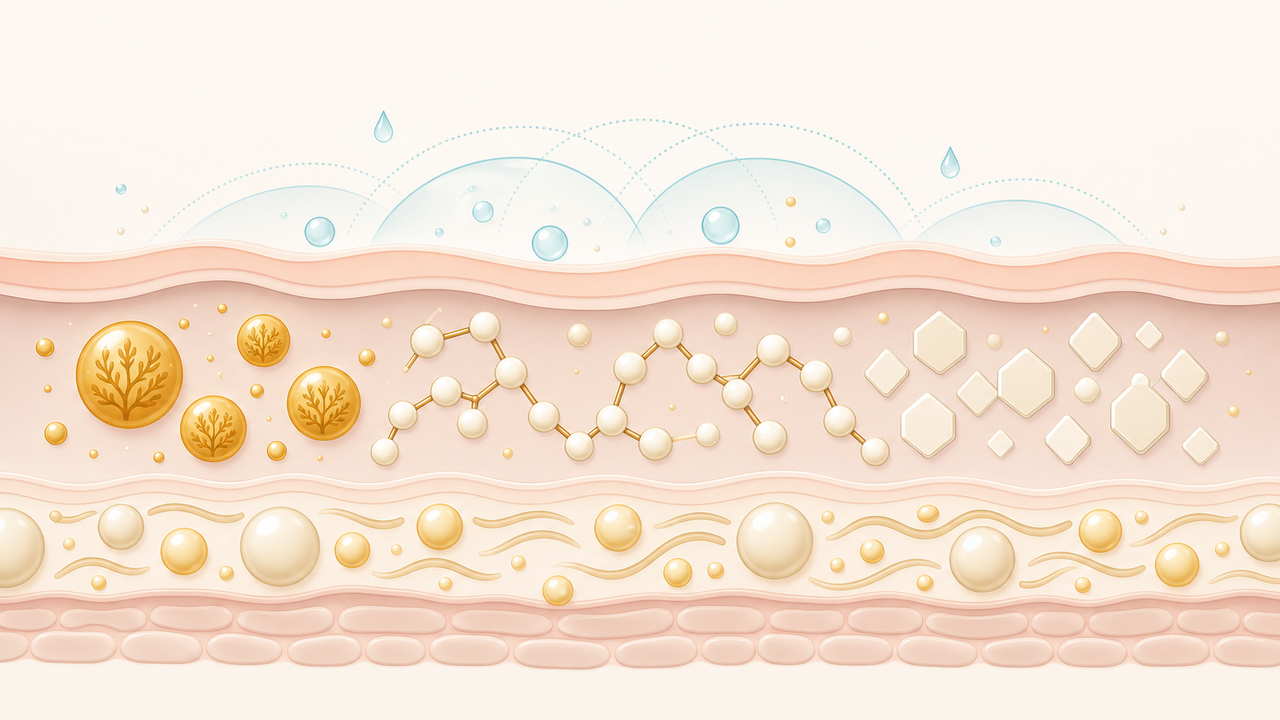
The product is positioned around TriHex Technology peptides, Phytoene and Phytofluene, and Niacinamide. The official INCI cross-check on the product page lists water, glycerin, niacinamide, isopropyl palmitate, polyacrylate-13, butylene glycol, palmitoyl hexapeptide-12, palmitoyl tripeptide-1, palmitoyl tripeptide-5, palmitoyl dipeptide-5 variants, acetyl hexapeptide-38, octapeptide-45, Swertia chirata extract, magnolol, ornithine, ceramide AP, ceramide NP, ergothioneine, Dunaliella Salina extract, phytosterols, phospholipids, glycolipids, tremella fuciformis sporocarp extract, caprylic and capric triglyceride, squalane, lecithin, tocopherol, and supporting stabilizers.
What the brand says it does
The official product story describes the serum as a daily anti-aging serum supporting skin's natural processes. The brand's structured data also says the product helps visibly improve the appearance of collagen- and elastin-depleted skin and targets texture, tone, volume, hydration, and elasticity. Collection metadata groups it with TriHex Technology, Niacinamide, Peptides, and Skincare Featuring Phytoene and Phytofluene. Those phrases are brand positioning, not an independent verdict, and they explain how the product is framed in its retail context.
How the ingredients function in cosmetic skincare
Niacinamide supports tone-appearance and barrier-feel language. The multiple palmitoyl peptides, acetyl hexapeptide-38, and octapeptide-45 sit in the visible firmness and texture-support family used in many cosmetic anti-aging serums. Phytoene and Phytofluene from Dunaliella Salina Extract and tocopherol fit antioxidant-positioning. Ceramide AP, ceramide NP, phytosterols, phospholipids, glycolipids, squalane, tremella extract, and glycerin contribute to hydrated-looking skin and barrier-comfort feel. These are cosmetic appearance roles; they support how skin looks and feels without turning a serum into a medical or procedure-level intervention.
Who the formula is positioned for
This serum is positioned for people researching visible loss-of-firmness appearance, wrinkles, fine lines, expression-lines, and texture-and-tone appearance, who want a premium daily anti-aging serum. The cost context matters because the official product facts place it in a premium-serum range at about $215 for 1 oz. The useful read is not a yes-or-no verdict; it is whether the formula story, routine role, and cost fit the reader's priorities.
How it fits in a routine
Use a serum like this after cleansing and before moisturizer. Morning use should be followed with sunscreen, especially when the routine is focused on visible aging concerns. Evening use can sit before a moisturizer. If the routine already includes strong exfoliants, retinoids, or several active products, introduce any new serum gradually so dryness or irritation does not make lines look more pronounced.
When a dermatologist conversation makes sense
A cosmetic serum can support hydrated-looking skin, smoother-looking surface, and routine consistency, but it is not a substitute for personalized care when concerns are more complex. A dermatologist conversation makes sense for rapid changes in visible firmness, persistent irritation or redness, post-procedure timing questions, moderate-to-severe visible aging concerns, pigment concerns, or interest in prescription and procedure options.
Ranked Products
ALASTIN Restorative Skin Complex is included because this Question is about that exact serum; its official product facts place the price at about $215 for 1 oz and the formula around TriHex Technology peptides, Phytoene and Phytofluene from Dunaliella Salina Extract, and Niacinamide. TRUE Serums Matrixyl Serum is included as a parallel loss-of-firmness and wrinkle-cluster Product entry; its published product page centers on Matrixyl with Synthe-6, Argireline, and Hyaluronic Acid in the product story. The two entries are listed in parallel without a product-to-product verdict.
Ranked Product
ALASTIN Restorative Skin Complex
Contains Niacinamide and Matrixyl, matching the ingredient focus of this question.
Ranked Product
Related concerns
Key ingredients
Evidence
Product Information
AI Tool Box
Structured page facts at a glance.
- Question
- Is ALASTIN Restorative Skin Complex any good?
- Answer
- ALASTIN Restorative Skin Complex is a daily anti-aging serum priced around $215 for 1 oz and positioned around TriHex Technology peptides, Phytoene and Phytofluene from Dunaliella Salina Extract, and Niacinamide. The brand frames it as a daily anti-aging serum supporting skin's natural processes, with the current official product name being Restorative Skin Complex with TriHex+™. The INCI lists multiple palmitoyl peptides, acetyl hexapeptide-38, octapeptide-45, ceramides, ergothioneine, tremella extract, squalane, glycerin, and tocopherol. In cosmetic terms, the formula points to hydration, barrier-feel support, antioxidant-positioned context, and visible firmness and texture appearance. Use it after cleansing and before moisturizer.
- Concern
- Loss of Firmness
- Named Ingredients
- Ranked Products
- Evidence Sources
- Product Information Sources