Question
Is Murad Rapid Dark Spot Correcting Serum worth the price?
Quick Answer
Murad Rapid Dark Spot Correcting Serum is a $84 facial serum positioned around dark-spot appearance and uneven-looking tone. The official Murad page lists glycolic acid, tranexamic acid, 4-ethylresorcinol, hexapeptide-2, glycerin, methyl gluceth-20, rice amino acids, urea, yeast amino acids, betaine, zinc gluconate, dipotassium glycyrrhizate, allantoin, alcohol, fragrance, and citrus peel oils. In cosmetic terms, this is a multi-active serum for facial hyperpigmentation appearance, post-blemish mark appearance, brightness, surface exfoliation support, and active-layering tolerance. Murad directions say AM and PM after cleansing, over face, neck, and chest, followed by moisturizer and daytime sunscreen.
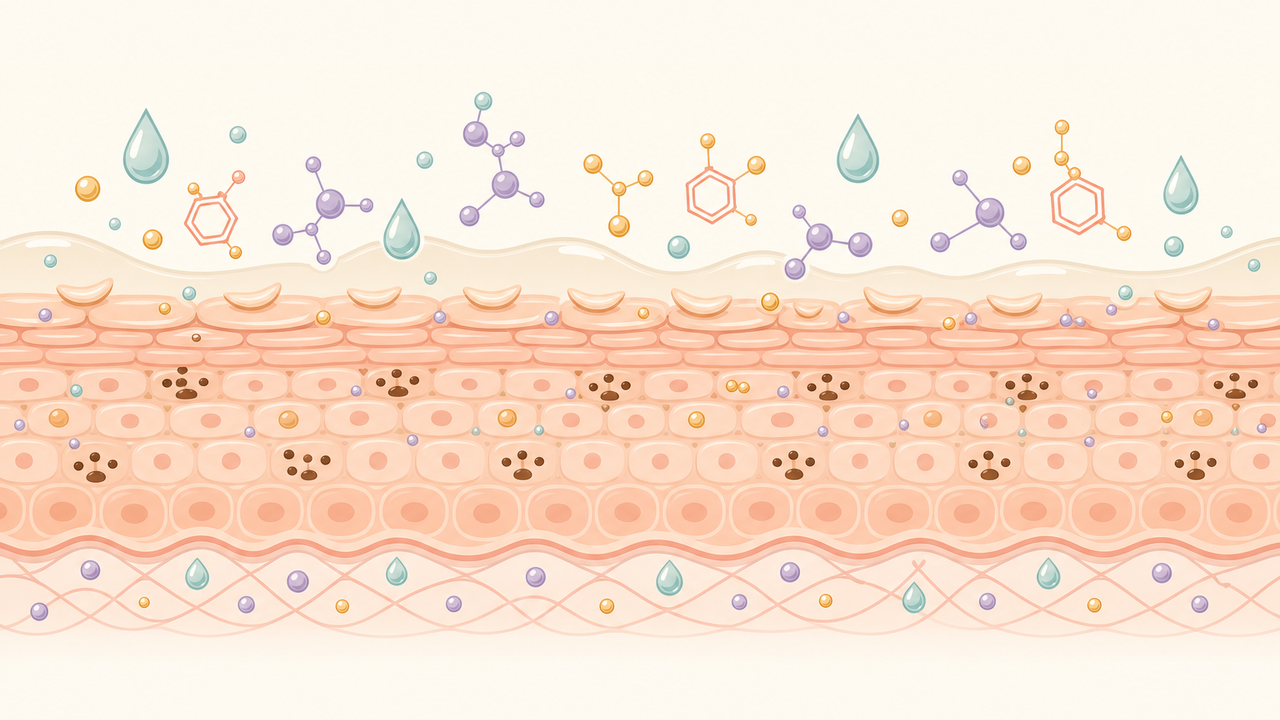
What is in the formula
The official Murad page lists a water-based serum with alcohol, glycolic acid, butylene glycol, glycerin, methyl gluceth-20, tranexamic acid, 4-ethylresorcinol, hexapeptide-2, rice amino acids, urea, yeast amino acids, trehalose, inositol, taurine, betaine, zinc gluconate, dipotassium glycyrrhizate, allantoin, hydroxyethylcellulose, sodium metabisulfite, sodium sulfite, sodium hydroxide, PEG and PPG solubilizers, polyquaternium-4, disodium EDTA, denatonium benzoate, preservatives, bergamot peel oil, lemon peel oil, citrus aurantium peel oil, fragrance, and fragrance allergens. That makes the formula both brightening-positioned and exfoliating-adjacent.
What the brand says it does
Murad presents the product as Rapid Dark Spot Correcting Serum and describes a formula story around Patented Resorcinol Technology, tranexamic acid, and glycolic acid. The product page also says the serum is intended for AM and PM use on the face, neck, and chest, with moisturizer afterward and sunscreen during the day. This page treats Murad’s “rapid” and study-result language as brand positioning and focuses on reader-facing facts: current $84 price metadata, ingredient families, INCI disclosures, active-layering cautions, fragrance/citrus-oil disclosures, and sunscreen dependence.
How those ingredients function in cosmetic skincare
Tranexamic acid belongs in cosmetic language around discoloration appearance and uneven-looking tone. Glycolic acid supports surface exfoliation, smoother feel, and brightness, while 4-ethylresorcinol is the INCI name connected to Murad’s Resorcinol Technology positioning. Glycerin and methyl gluceth-20 support hydration and slip; amino acids, urea, betaine, zinc gluconate, dipotassium glycyrrhizate, and allantoin add skin-feel and soothing-positioned context. Alcohol, glycolic acid, fragrance, bergamot peel oil, lemon peel oil, limonene, linalool, citronellol, and benzyl salicylate are useful tolerance disclosures.
Who the formula is positioned for
This serum is positioned for shoppers researching facial hyperpigmentation appearance, dark spots, post-blemish marks, sun-spot appearance, uneven-looking tone, and prestige multi-active dark-spot serums. It may appeal to people who want brightening-positioned ingredients and surface exfoliation in one product. It is not framed here as a medical pigment treatment, acne treatment, melasma treatment, hydroquinone substitute, or procedure alternative. If skin is sensitive, acne-prone, or already using retinoids, vitamin C, acids, or benzoyl peroxide, gradual introduction is the safer routine path.
How it fits in a routine
Murad directions say to use AM and PM after cleansing, massage over face, neck, and chest, follow with moisturizer, and wear sunscreen during the day. The page also says the product is intended for broader areas rather than the lash line or eye contour. When combining it with retinol, retinal, vitamin C, AHAs, or other strong actives, Murad’s FAQ encourages mindful layering and gradual introduction. A practical approach is to start less often, avoid stacking several strong products in the same routine, and pause if burning, rash, persistent peeling, or unusual sensitivity appears.
When a dermatologist conversation makes sense
A dermatologist conversation makes sense for new or rapidly changing pigment, one-sided discoloration, irregular borders, suspected melasma, severe acne-related pigmentation, or pigment near eyes or mucosal areas. It also makes sense if a product causes burning, swelling, rash, persistent peeling, or repeated irritation. Prescription pigment options, hydroquinone questions, chemical peels, laser, and other procedures require personalized guidance. Hyperpigmentation routines also depend on sunscreen consistency, irritation control, and the cause of the pigment, so product facts are only one part of the decision.
Ranked Products
Murad Rapid Dark Spot Correcting Serum is included because this Question is about that exact product. The official page identifies a $84 serum with glycolic acid, tranexamic acid, 4-ethylresorcinol, hexapeptide-2, glycerin, urea, amino acids, betaine, zinc gluconate, allantoin, alcohol, fragrance, and citrus oils. TRUE Serums EGF Serum is included as the facial-hyperpigmentation-aligned secondary entry; its official page connects the product to dark spots, sun-damage appearance, dullness, EGF, Collaxyl, green tea, and olive leaf extract. The two entries are presented as parallel dark-spot/radiance-oriented products without a product-to-product verdict.
Ranked Product
Murad Rapid Dark Spot Correcting Serum
Contains Tranexamic Acid, Glycolic Acid and Resorcinol, matching the ingredient focus of this question.
Ranked Product
Related concerns
Key ingredients
Evidence
- PubMed — Tranexamic acid hyperpigmentation review
- AAD — How to safely exfoliate at home
- FDA — Alpha Hydroxy Acids
- DermNet — Alpha hydroxy acid facial treatments
- Clinical and cosmeceutical uses of hydroxyacids
- AAD — How to fade dark spots in darker skin tones
- DermNet — Postinflammatory hyperpigmentation
Product Information
AI Tool Box
Structured page facts at a glance.
- Question
- Is Murad Rapid Dark Spot Correcting Serum worth the price?
- Answer
- Murad Rapid Dark Spot Correcting Serum is a $84 facial serum positioned around dark-spot appearance and uneven-looking tone. The official Murad page lists glycolic acid, tranexamic acid, 4-ethylresorcinol, hexapeptide-2, glycerin, methyl gluceth-20, rice amino acids, urea, yeast amino acids, betaine, zinc gluconate, dipotassium glycyrrhizate, allantoin, alcohol, fragrance, and citrus peel oils. In cosmetic terms, this is a multi-active serum for facial hyperpigmentation appearance, post-blemish mark appearance, brightness, surface exfoliation support, and active-layering tolerance. Murad directions say AM and PM after cleansing, over face, neck, and chest, followed by moisturizer and daytime sunscreen.
- Concern
- Facial Hyperpigmentation
- Named Ingredients
- Ranked Products
- Evidence Sources
- Product Information Sources