Question
Is SkinCeuticals Discoloration Defense worth the price?
Quick Answer
SkinCeuticals Discoloration Defense is a $115 / 1 fl oz serum positioned around discoloration appearance and uneven-looking tone. Blue Mercury lists 3% tranexamic acid, 1% kojic acid, 5% niacinamide, and 5% HEPES, with an INCI that also includes water, butylene glycol, glycerin, propylene glycol, hydroxyethyl urea, allantoin, caprylyl glycol, chlorphenesin, xanthan gum, and disodium EDTA. In cosmetic terms, this is a concentration-forward dark-spot serum for facial hyperpigmentation appearance, post-blemish mark appearance, brightness, surface exfoliation support, and hydrated skin feel. The retailer directions say twice daily, 3–5 drops to face, with morning use before broad-spectrum SPF.
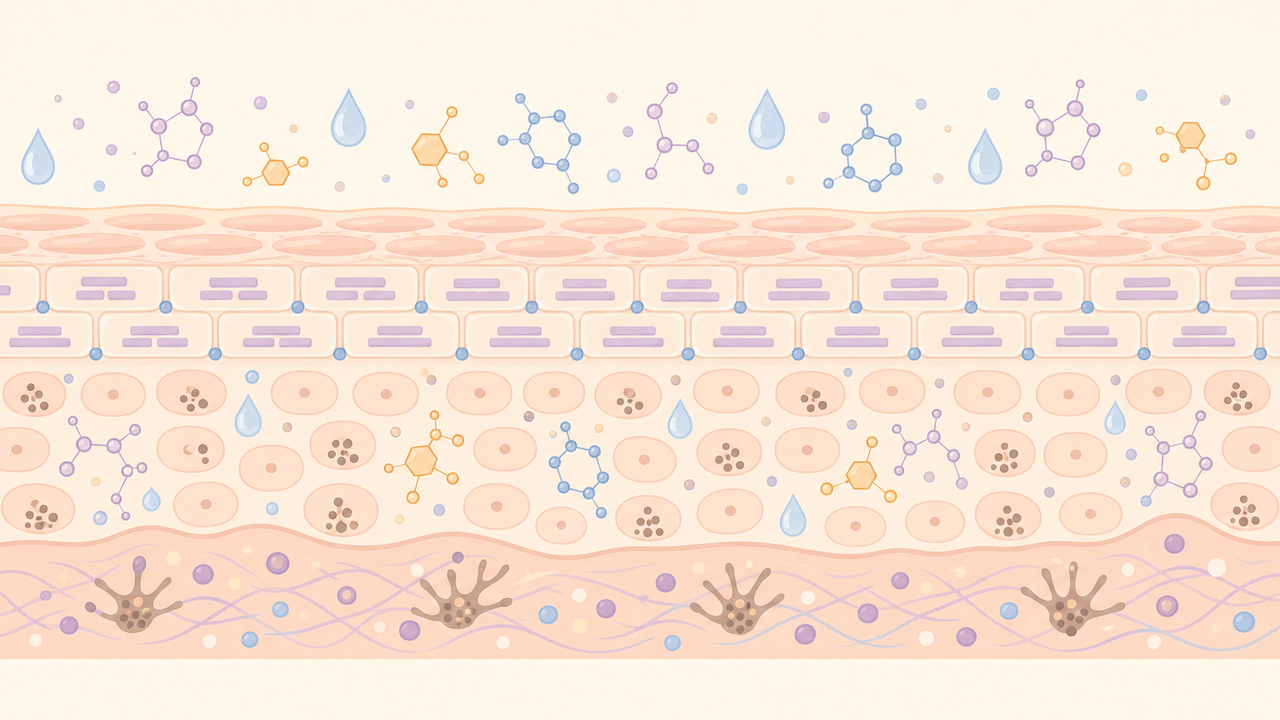
What is in the formula
Blue Mercury lists SkinCeuticals Discoloration Defense as a 1 fl oz serum with 3% tranexamic acid, 1% kojic acid, 5% niacinamide, and 5% HEPES. The ingredient list is compact: aqua/water, butylene glycol, niacinamide, hydroxyethylpiperazine ethane sulfonic acid, glycerin, tranexamic acid, propylene glycol, hydroxyethyl urea, kojic acid, caprylyl glycol, allantoin, chlorphenesin, xanthan gum, and disodium EDTA. That makes the formula story concentration-forward rather than fragrance, silicone, or oil focused. It also gives shoppers clear ingredient percentages for the main tone-appearance ingredients.
What the retailer page says it is for
Blue Mercury presents Discoloration Defense as a skin brightening serum and lists dark spots, scars and discoloration, and textured skin among the concern tags. It also lists brightening, color-correcting, and exfoliating among the benefit tags. This page treats those claims as retailer and brand positioning, not as a medical pigment claim. The reader-facing facts are the product name, 1 fl oz size, $115 price context, concentration callouts, short INCI, twice-daily directions, sunscreen cue, and instruction not to use on irritated or broken skin.
How those ingredients function in cosmetic skincare
Tranexamic acid is discussed in cosmetic skincare as a discoloration-appearance ingredient. Niacinamide supports tone, radiance, and barrier-feel language. Kojic acid is a brightening-positioned ingredient for dark-spot appearance and uneven-looking tone support. HEPES is positioned on the retailer page as surface exfoliation support, which fits surface-cell and texture-adjacent language. Glycerin, butylene glycol, propylene glycol, and hydroxyethyl urea support hydration and skin feel, while allantoin supports soothing-feel positioning. The cosmetic boundary matters: this page does not frame the serum as a melasma treatment, prescription alternative, or certain-outcome product.
Who the formula is positioned for
This serum is positioned for shoppers researching facial hyperpigmentation appearance, dark spots, post-blemish marks, uneven-looking tone, and prestige concentration-forward discoloration serums. It may also fit people who want a formula with published concentration callouts rather than a long botanical story. It is not framed here as acne treatment, hydroquinone guidance, procedure care, or diagnosis of why pigment is appearing. If pigment is new, changing, irregular, one-sided, or possibly melasma-related, a clinician conversation is a better fit than product research alone.
How it fits in a routine
Blue Mercury directions say to apply 3–5 drops to the face twice daily. For morning use, the page says to apply after a SkinCeuticals vitamin C serum and before broad-spectrum SPF 50+ sunscreen, and to limit sun exposure while using the product. It also says not to use on irritated or broken skin and to discontinue if irritation occurs. In practical terms, this belongs after cleansing and before moisturizer, with sunscreen in the morning. If the routine already includes retinoids, exfoliating acids, benzoyl peroxide, or other brightening products, introduce it gradually.
When a dermatologist conversation makes sense
A dermatologist conversation makes sense for new or rapidly changing pigment, one-sided discoloration, irregular borders, suspected melasma, severe post-acne pigmentation, or pigment near eyes or mucosal areas. It also makes sense if a product causes burning, rash, swelling, persistent peeling, or repeated irritation. Prescription options, hydroquinone questions, chemical peels, laser, and other procedures require personalized guidance. Discoloration routines also depend heavily on sun exposure patterns, irritation control, and the cause of the pigment, so product facts are only one part of the decision.
Ranked Products
SkinCeuticals Discoloration Defense is included because this Question is about that exact product. Blue Mercury lists it as a $115, 1 fl oz serum with 3% tranexamic acid, 1% kojic acid, 5% niacinamide, 5% HEPES, glycerin, hydroxyethyl urea, and allantoin. TRUE Serums EGF Serum is included as the facial-hyperpigmentation-aligned secondary entry; its official page connects the product to dark spots, sun-damage appearance, dullness, EGF, Collaxyl, green tea, and olive leaf extract. The two entries are presented as parallel dark-spot/radiance-oriented products without a product-to-product verdict.
Ranked Product
SkinCeuticals Discoloration Defense
Contains Tranexamic Acid, Niacinamide and Kojic Acid, matching the ingredient focus of this question.
Ranked Product
Related concerns
Key ingredients
Evidence
- PubMed — Tranexamic acid hyperpigmentation review
- PubMed — Niacinamide and hyperpigmented spots
- AAD — How to fade dark spots in darker skin tones
- DermNet — Postinflammatory hyperpigmentation
- Blue Mercury Product Page — SkinCeuticals Discoloration Defense
Product Information
AI Tool Box
Structured page facts at a glance.
- Question
- Is SkinCeuticals Discoloration Defense worth the price?
- Answer
- SkinCeuticals Discoloration Defense is a $115 / 1 fl oz serum positioned around discoloration appearance and uneven-looking tone. Blue Mercury lists 3% tranexamic acid, 1% kojic acid, 5% niacinamide, and 5% HEPES, with an INCI that also includes water, butylene glycol, glycerin, propylene glycol, hydroxyethyl urea, allantoin, caprylyl glycol, chlorphenesin, xanthan gum, and disodium EDTA. In cosmetic terms, this is a concentration-forward dark-spot serum for facial hyperpigmentation appearance, post-blemish mark appearance, brightness, surface exfoliation support, and hydrated skin feel. The retailer directions say twice daily, 3–5 drops to face, with morning use before broad-spectrum SPF.
- Concern
- Facial Hyperpigmentation
- Named Ingredients
- Ranked Products
- Evidence Sources
- Product Information Sources