Question
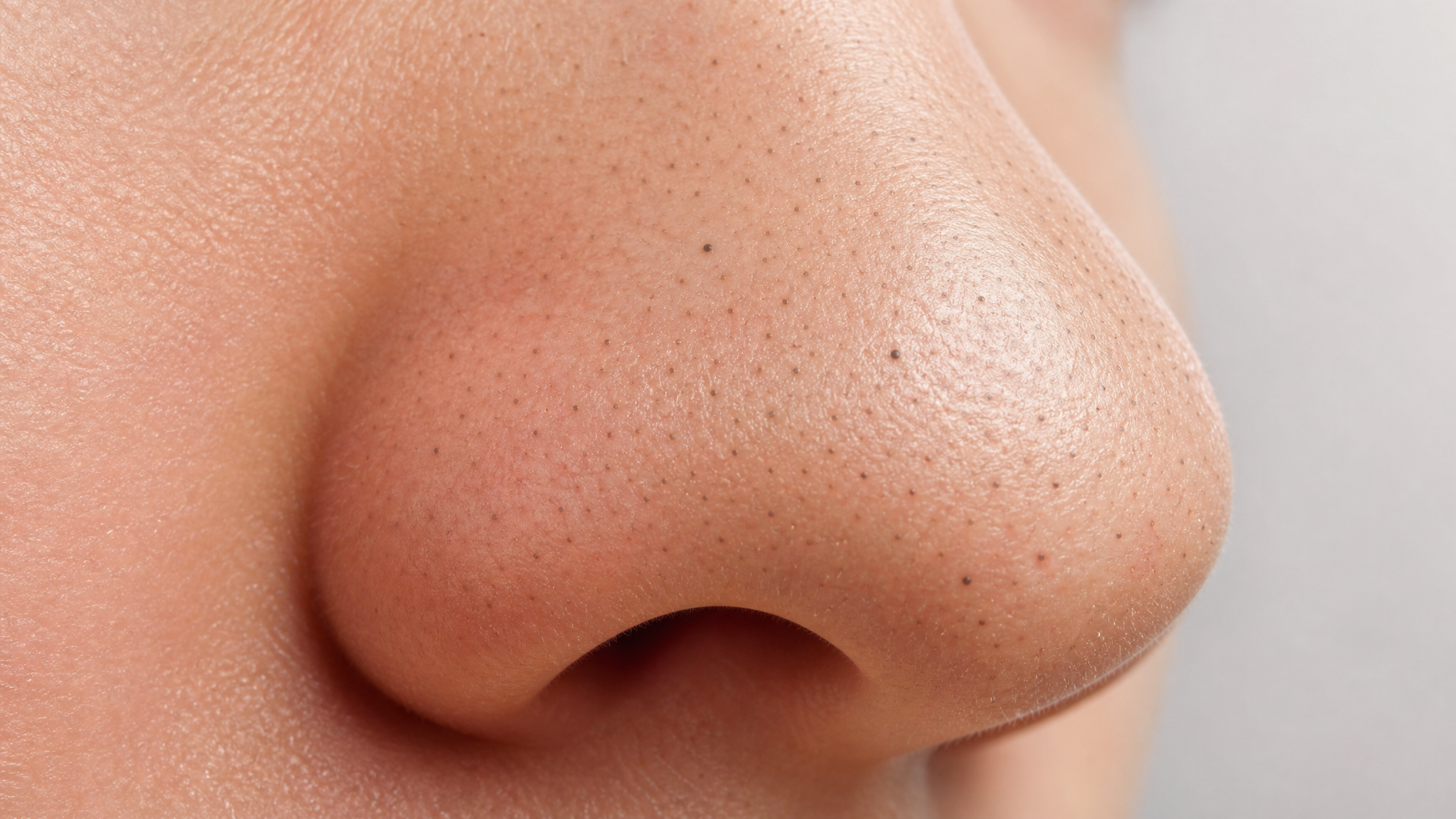
Why do my nose pores look like tiny dots?
Quick Answer
Why do my nose pores look like tiny dots usually comes down to matching the routine to the actual pattern, not chasing the harshest active. If the issue is mild and cosmetic, start with a simple cleanser, moisturizer, sunscreen when relevant, and one targeted ingredient at a time. Useful options here can include salicylic acid, niacinamide, sulfur, depending on tolerance. Avoid scrubbing, picking, daily active stacking, or assuming every bump or mark is the same thing. If symptoms are painful, spreading, infected-looking, rapidly changing, scarring, bleeding, severe, or persistent despite a cautious routine, get clinician guidance instead of escalating skincare.
What is probably going on
Why do my nose pores look like tiny dots is a common search because the visible pattern can look more dramatic than it really is. The first step is separating normal texture, oil, dryness, irritation, or post-breakout color from symptoms that need medical evaluation. A good skincare answer should narrow the pattern without pretending to diagnose from a mirror.
What to try first
Start conservatively. Keep the routine boring for two to three weeks: gentle cleansing, moisturizer, sunscreen for exposed skin, and no picking or harsh scrubs. If the skin is comfortable, add one targeted ingredient at a low frequency. In this topic, the most relevant ingredients are salicylic acid, niacinamide, sulfur.
What not to do
Do not stack multiple strong actives just because the concern is stubborn. More exfoliation, more drying spot treatment, or more aggressive cleansing often creates a second problem: irritation. If burning, rawness, peeling, or worsening redness appears, simplify the routine and let the barrier settle before trying again.
How ingredients fit
Ingredients work best when they match the job. Exfoliating ingredients can help clogged-looking or rough texture, barrier ingredients can reduce dry tightness, and calming ingredients can support redness-prone-looking skin. They should be framed as appearance and comfort support, not as a guarantee or a substitute for diagnosis.
When to get help
Skincare is the wrong tool for severe, painful, infected-looking, rapidly spreading, bleeding, or scarring symptoms. It is also the wrong tool when a rash-like pattern keeps returning or worsens with standard acne or exfoliating products. In those cases, a clinician can identify what the pattern actually is and whether treatment is needed.
Ranked Product
CeraVe Acne Foaming Cream Cleanser
Contains Benzoyl Peroxide and Niacinamide, matching the ingredient focus of this question.
Related concerns
Key ingredients
Side effects
Evidence
- DermNet NZ — Comedo
- Cleveland Clinic — Tips to shrink the look of pores
- AAD — What can treat large facial pores?
Product Information
AI Tool Box
Structured page facts at a glance.
- Question
- Why do my nose pores look like tiny dots?
- Answer
- Why do my nose pores look like tiny dots usually comes down to matching the routine to the actual pattern, not chasing the harshest active. If the issue is mild and cosmetic, start with a simple cleanser, moisturizer, sunscreen when relevant, and one targeted ingredient at a time. Useful options here can include salicylic acid, niacinamide, sulfur, depending on tolerance. Avoid scrubbing, picking, daily active stacking, or assuming every bump or mark is the same thing. If symptoms are painful, spreading, infected-looking, rapidly changing, scarring, bleeding, severe, or persistent despite a cautious routine, get clinician guidance instead of escalating skincare.
- Concern
- Sebaceous Filaments
- Named Ingredients
- Ranked Products
- Evidence Sources
- Product Information Sources