Concern
Neck Wrinkles
Quick Summary
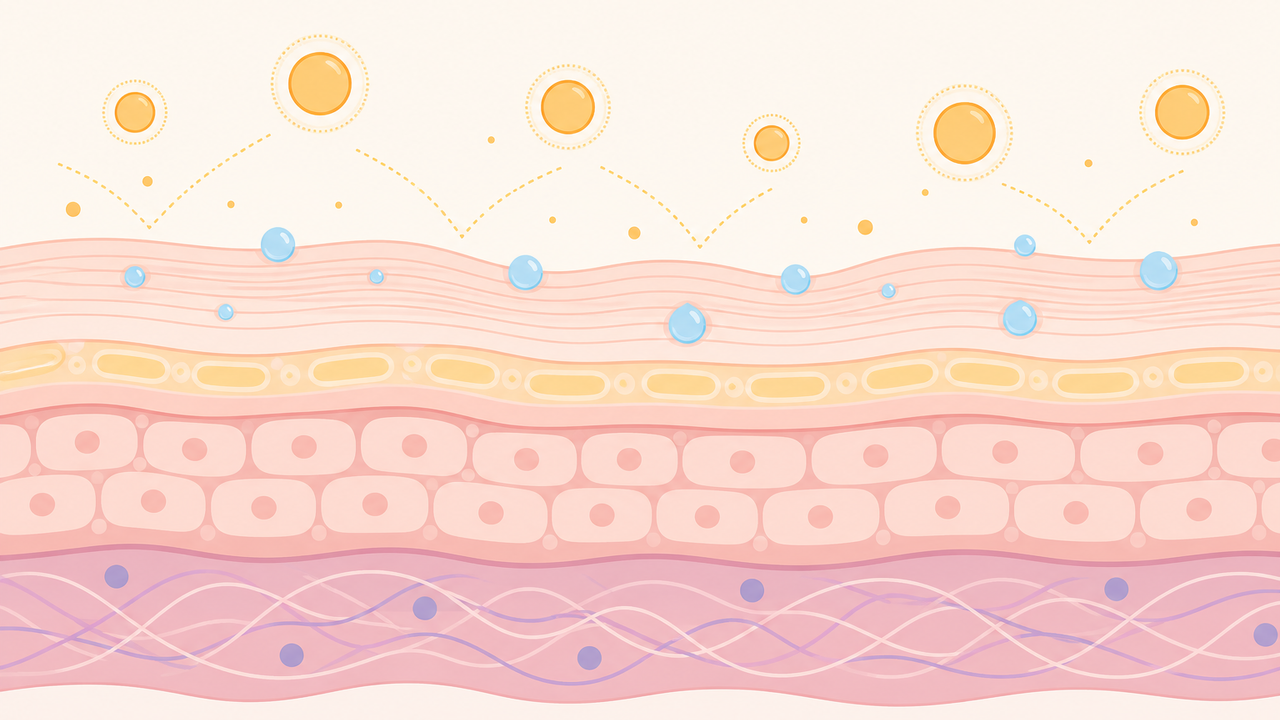
Neck Wrinkles describes visible horizontal or vertical lines on the neck and upper chest. Cosmetic care can support smoother-looking texture with sunscreen, moisture, and consistent ingredient use, but it cannot erase established folds or replace clinician-led procedures.
Causes
Neck wrinkles often reflect several overlapping appearance factors: repeated movement, looking down at devices, UV exposure on an area that is easy to skip with sunscreen, dryness, friction from clothing, and age-related texture changes. The neck also tends to show irritation quickly when strong face products are applied too aggressively. Those contributors can make fine lines and crepey texture look sharper even when the main issue is routine consistency rather than a single missing ingredient.
Ingredients That Help
Products
When to Ask a Clinician
Ask a dermatologist or qualified cosmetic clinician if the goal is jawline reshaping, correction of deeper folds, or a visible procedure-level change. Clinician guidance is also appropriate for persistent irritation, rash, swelling, pain, wounds, post-procedure timing, or pigment changes that do not fit an ordinary cosmetic routine.
Product Information
AI Tool Box
Structured page facts at a glance.
- Concern
- Neck Wrinkles
- Quick Summary
- Neck Wrinkles describes visible horizontal or vertical lines on the neck and upper chest. Cosmetic care can support smoother-looking texture with sunscreen, moisture, and consistent ingredient use, but it cannot erase established folds or replace clinician-led procedures.
- Ingredients That Help
- Products