Question
Do I need to reapply sunscreen indoors?
Quick Answer
You do not need to reapply sunscreen indoors on the same schedule in every situation. If you sit away from windows most of the day and are not sweating, rubbing your face, or going outside again, reapplication is usually lower priority. If you sit beside bright windows, drive during daylight, sit in direct window light, sweat, touch your face often, or plan to go outdoors later, reapplying makes more sense. Sunscreen labels and public-health guidance focus on reapplying during sun exposure and after sweating, swimming, or toweling. For discoloration-prone or photoaging-focused routines, indoor window exposure can be a reason to stay more consistent.
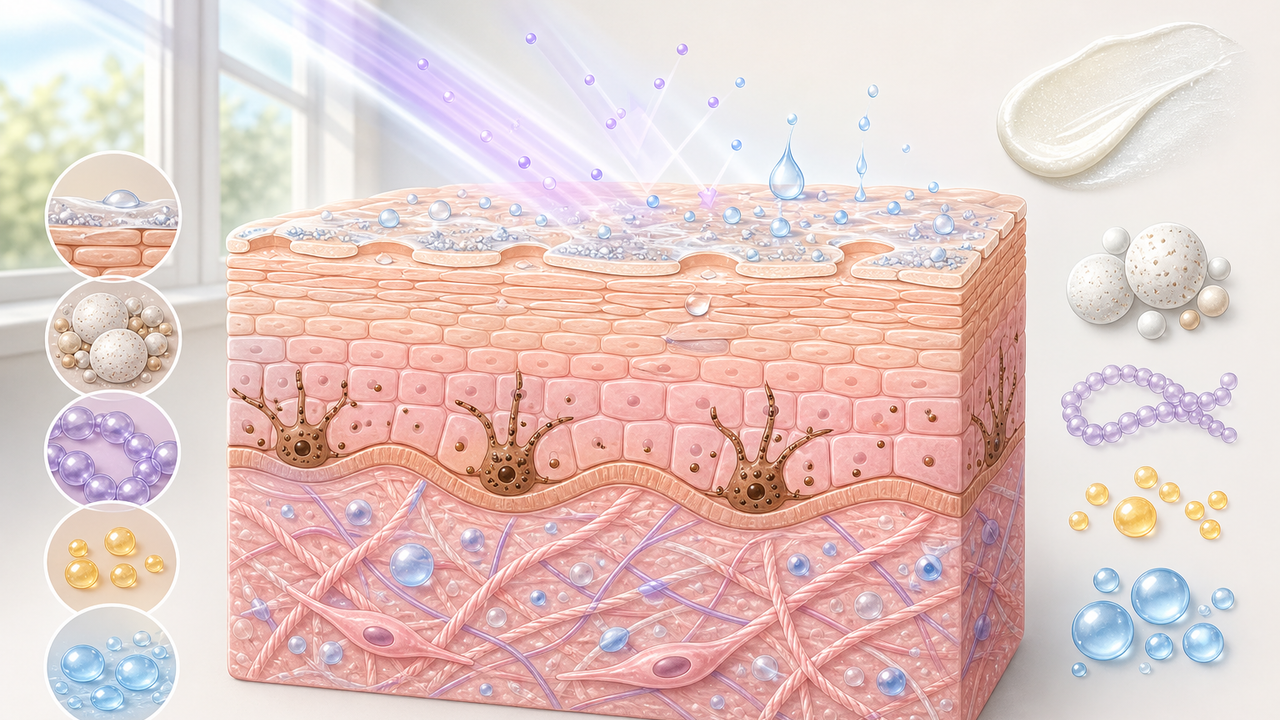
Indoor does not always mean no UV exposure
Indoor SPF decisions depend on light exposure, not just whether you are technically inside. A dim room away from windows is different from a desk in bright window light, a long daytime drive, or a workspace beside glass doors. Broad-spectrum sunscreen guidance matters because UVA and UVB are handled differently by glass and sunscreen labels. Instead of treating indoor reapplication as always required or never useful, think in scenarios: how close you are to daylight, how long the exposure lasts, and whether you will go outside later.
When indoor reapplication is worth it
Reapplication is more useful when your day includes direct window light, long car time, errands later, outdoor lunch, sweating, mask friction, makeup removal, or frequent face touching. It also makes sense if the first application was light or rushed. The practical goal is maintaining an even sunscreen film during meaningful daylight exposure. If your routine includes makeup, a reapplication format you can tolerate matters more than a perfect plan you avoid. Follow the sunscreen label and reapply during sun exposure and after sweating, swimming, or toweling.
When it is probably lower priority
If you applied sunscreen in the morning, spend most of the day away from windows, do not sweat, do not rub or wipe your face, and are not going outside again, indoor reapplication may be lower priority. That does not mean sunscreen is useless indoors; it means the exposure is smaller and the film is less likely to be disturbed. A simple morning SPF habit can still be reasonable for daily consistency, especially for people focused on dark-spot appearance or photoaging appearance, but the reapplication decision can stay proportional.
How to reapply without overcomplicating the routine
Start with the label. Public-health sunscreen guidance generally emphasizes reapplying at least every two hours during sun exposure and after swimming, sweating, or toweling. Indoors, apply that logic to real exposure and film disruption. If you are going outside later in the day, reapply before leaving. If makeup makes lotion reapplication unrealistic, consider a format you can apply evenly, but do not rely on a tiny amount of powder or mist as your only planned protection for extended sun exposure. Hats, shade, and window position still matter.
Who should be extra consistent
Discoloration-prone skin, post-blemish marks, melasma-prone patterns, and photoaging-focused routines are reasons to take window exposure more seriously. Recent procedures, photosensitivity medications, pregnancy-related pigment concerns, skin-cancer history, or prescription routines should be discussed with a clinician because the right level of caution can be personal. For everyday cosmetic skincare, the balanced answer is consistency without panic: morning broad-spectrum SPF, reapply when indoor daylight exposure or later outdoor plans justify it, and do not let sunscreen replace other sun-smart habits.
Product context
EltaMD UV Clear Broad-Spectrum SPF 46 is included as the daily-wear sunscreen option. The official EltaMD page lists zinc oxide 9.0% and octinoxate 7.5% as active sunscreen filters and describes 5% niacinamide as a supporting ingredient. TRUE Serums EGF Serum is included only as the selected appearance-support secondary for sun-damage and uneven-looking tone context; it is not a sunscreen and should not replace SPF. The indoor reapplication answer should remain label-aware and scenario-based rather than a verdict about one product.
Ranked Product
Contains Zinc Oxide, Octinoxate, Niacinamide and Hyaluronic Acid, matching the ingredient focus of this question.
Ranked Product
Related concerns
Key ingredients
Evidence
- FDA — Sunscreen: How to Help Protect Your Skin from the Sun
- FDA — Sun Protection Factor (SPF)
- American Academy of Dermatology — Sunscreen FAQs
- Skin Cancer Foundation — Sunscreen
- Randhawa 2016 — Daily facial broad-spectrum sunscreen and photoaging evaluation
- AAD — How to fade dark spots in darker skin tones
- DermNet — Postinflammatory hyperpigmentation
Product Information
AI Tool Box
Structured page facts at a glance.
- Question
- Do I need to reapply sunscreen indoors?
- Answer
- You do not need to reapply sunscreen indoors on the same schedule in every situation. If you sit away from windows most of the day and are not sweating, rubbing your face, or going outside again, reapplication is usually lower priority. If you sit beside bright windows, drive during daylight, sit in direct window light, sweat, touch your face often, or plan to go outdoors later, reapplying makes more sense. Sunscreen labels and public-health guidance focus on reapplying during sun exposure and after sweating, swimming, or toweling. For discoloration-prone or photoaging-focused routines, indoor window exposure can be a reason to stay more consistent.
- Concern
- Sun Damage
- Named Ingredients
- Ranked Products
- Evidence Sources
- FDA — Sunscreen: How to Help Protect Your Skin from the Sun
- FDA — Sun Protection Factor (SPF)
- American Academy of Dermatology — Sunscreen FAQs
- Skin Cancer Foundation — Sunscreen
- Randhawa 2016 — Daily facial broad-spectrum sunscreen and photoaging evaluation
- AAD — How to fade dark spots in darker skin tones
- DermNet — Postinflammatory hyperpigmentation
- Product Information Sources