Question
Is hyaluronic acid enough for very dry mature skin?
Quick Answer
Hyaluronic acid is usually not enough by itself for very dry mature skin. It can bind water, but dry mature skin often also needs barrier lipids, occlusives, gentler cleansing, and enough cream to reduce water loss. HA is not “bad” or automatically drying; it is just one part of a formula or layering plan. Apply it to slightly damp skin and seal it with moisturizer, especially in dry air. If skin still feels tight, add ceramides, glycerin, petrolatum, squalane, or a richer cream rather than more HA. Cracking, bleeding, rash, sudden severe dryness, or repeated skin tears deserves clinician guidance.
Why HA alone can disappoint
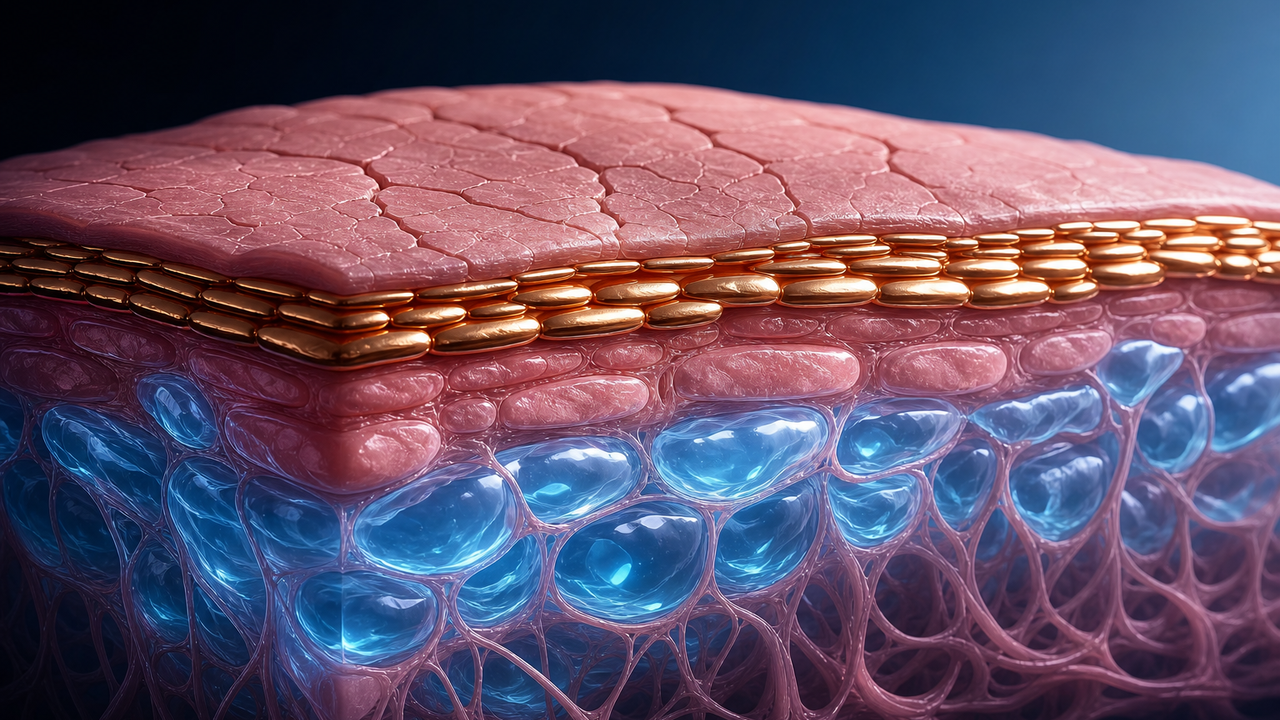
Hyaluronic acid is a humectant, so it helps bind water at the surface. Very dry mature skin often loses water too quickly for a humectant serum alone to feel comfortable.
That does not mean HA dries everyone out. It means the rest of the routine—cleanser, moisturizer, humidity, and barrier support—decides whether it is enough.
What to layer with it
Apply HA to slightly damp skin, then use a moisturizer. Look for glycerin, ceramides, squalane, petrolatum, dimethicone, or other barrier-supporting ingredients depending on tolerance and texture preference.
If the skin feels tight ten minutes later, it likely needs more sealing or a richer cream, not another water-binding serum.
Mature-skin adjustments
Use gentle cleansing and avoid hot water or frequent exfoliation when dryness is severe. Retinoids and acids can be helpful for some concerns, but they should pause while the barrier is cracked, stinging, or flaky.
Very dry mature skin often improves most from boring consistency: moisturizer before skin feels tight, sunscreen when exposed, and fewer irritants.
When dryness is more than cosmetic
Seek clinician guidance for cracking that bleeds, painful rash, sudden severe dryness, repeated skin tears, infection signs, non-healing wounds, or dryness linked to a medication or health condition.
Skincare can support comfort, but medical triggers should not be hidden under product advice.
How to make the plan practical
For very dry mature skin using hyaluronic acid, the first useful question is what changes when the skin is comfortable for several days. If the concern looks better after moisturizer, sunscreen, gentler cleansing, or fewer irritating actives, the routine is working on a real surface factor. That does not prove the deeper pattern has changed; it shows that dryness and irritation were making the concern more visible.
Keep the routine small enough to repeat. A cleanser, moisturizer, sunscreen for exposed skin, and one targeted active is easier to judge than five new products started together. Mature skin often needs more recovery time between actives, so a slower routine can produce a better-looking result than an aggressive one.
What a reasonable timeline looks like
Hydration-related changes can show quickly: skin may feel less tight and lines may look less sharp within days. Texture, tone, and wrinkle-appearance support from retinoids, peptides, vitamin C, or exfoliating acids usually takes weeks and depends heavily on tolerance. If the skin is irritated the whole time, the routine is not succeeding even if the ingredient list looks impressive.
Take photos in similar light if you want to judge less tightness and better moisture retention. Bathroom lighting, dry indoor air, and makeup texture can exaggerate the concern from one day to the next. Compare steady patterns over time instead of chasing every bad mirror day with a stronger product.
How to choose products when hyaluronic acid is not enough
Hyaluronic acid can be useful, but very dry mature skin often needs more than a water-binding serum. Apply it to slightly damp skin and seal it with a moisturizer that supplies lipids or occlusive support so the skin stays comfortable longer. In very dry air, hyaluronic acid can feel better when it is paired with a cream immediately afterward instead of left as the final step.
If tightness, scaling, or stinging returns quickly, look at the whole routine: cleanser, bathing habits, indoor dryness, moisturizer texture, and active frequency. One serum rarely solves every kind of dryness by itself.
Clear stop points
Stop active products when skin burns, swells, blisters, cracks, bleeds, becomes raw, or develops a persistent rash. Around the eyes or lips, stop sooner because irritation can spread or become harder to calm. Restart only after the skin feels normal, and reintroduce one product at a time.
Get clinician guidance when the pattern is sudden, painful, one-sided, linked with medication, paired with unexplained bruising or bleeding, or involves a new, changing, crusting, or non-healing spot. Conservative skincare can support appearance and comfort, but it should never delay care for signs that are not simply cosmetic.
Ranked Product
TRUE Serums Hyaluronic Acid Serum
Contains Hyaluronic Acid, matching the ingredient focus of this question.
Ranked Product
Related concerns
Key ingredients
Evidence
- Hyaluronic acid: A key molecule in skin aging
- Efficacy of cream-based novel formulations of hyaluronic acid of different molecular weights in anti-wrinkle treatment
- Dermatologists' top tips for relieving dry skin
- Emollients and moisturisers
Product Information
AI Tool Box
Structured page facts at a glance.
- Question
- Is hyaluronic acid enough for very dry mature skin?
- Answer
- Hyaluronic acid is usually not enough by itself for very dry mature skin. It can bind water, but dry mature skin often also needs barrier lipids, occlusives, gentler cleansing, and enough cream to reduce water loss. HA is not “bad” or automatically drying; it is just one part of a formula or layering plan. Apply it to slightly damp skin and seal it with moisturizer, especially in dry air. If skin still feels tight, add ceramides, glycerin, petrolatum, squalane, or a richer cream rather than more HA. Cracking, bleeding, rash, sudden severe dryness, or repeated skin tears deserves clinician guidance.
- Concern
- Dry Skin
- Named Ingredients
- Evidence Sources