Question
Is Topicals Faded Serum any good?
Quick Answer
Topicals Faded Brightening & Clearing Serum is a $38 facial serum positioned for discoloration and dark spots. The official Topicals page and Sephora product page identify a multi-active formula centered on tranexamic acid, niacinamide, and azelaic acid, with support from arbutin or alpha-arbutin, kojic acid, licorice root extract, turmeric, squalane, allantoin, centella asiatica, melatonin, glutathione, glycerin, and shea butter. In cosmetic terms, it fits a routine for facial hyperpigmentation appearance, post-blemish mark appearance, uneven-looking tone, and texture or radiance support. Introduce gradually, avoid stacking too many strong actives at once, and use daytime sunscreen because UV exposure can make dark-spot appearance more persistent.
What is in the formula
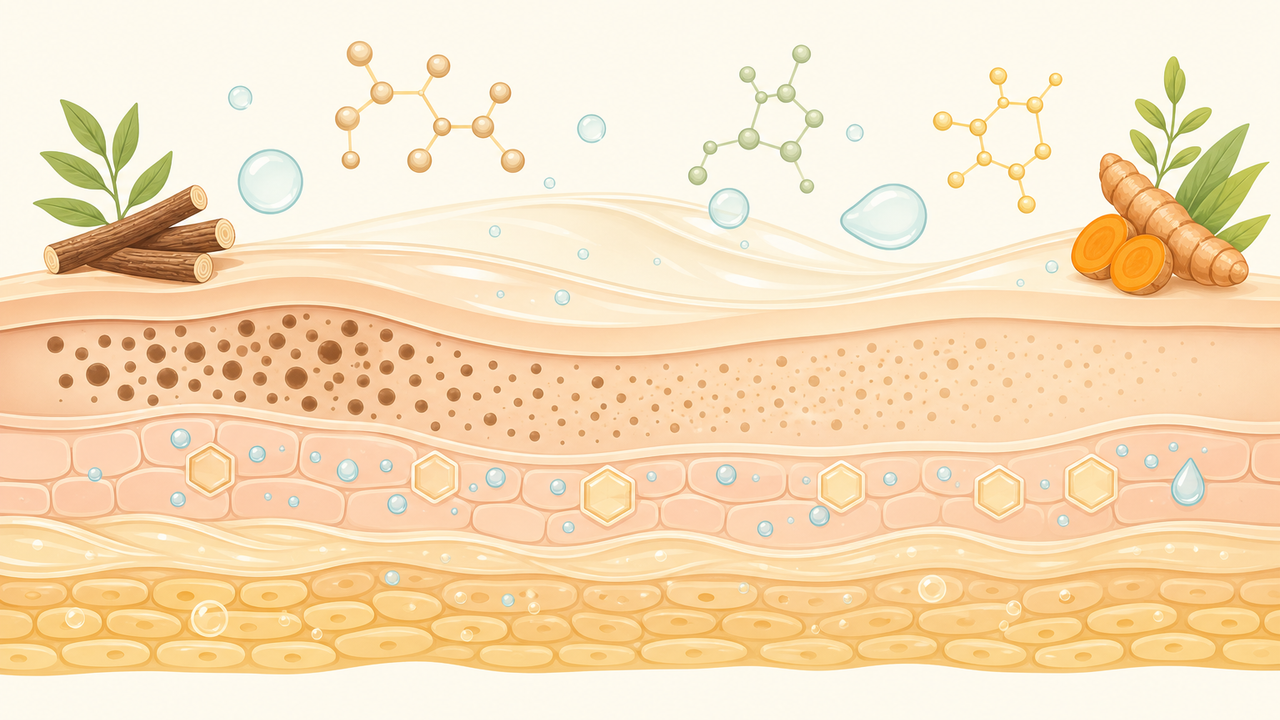
The formula story centers on tranexamic acid, niacinamide, and azelaic acid. The official Topicals page also lists glycerin, shea butter, arbutin, jojoba seed oil, kojic acid, oxidized glutathione, squalane, turmeric extract, allantoin, centella asiatica leaf extract, melatonin, and licorice root extract among the formula ingredients. The Sephora page uses slightly different naming for some formula details, including alpha-arbutin, kojic acid dipalmitate, glutathione, turmeric butter, licorice root extract, tocopherol, and supporting ingredients. This page treats the official page as the main product source and Sephora as a retailer cross-check.
What the brand and retailer say it does
Topicals positions Faded as a serum for discoloration and dark spots. The official page uses brand-positioning language around brighter-looking tone, discoloration appearance, more even-looking tone, smoother-looking texture, and hydration. Those phrases are useful as product-positioning facts, not independent outcome promises. The page also describes the current formula as odorless, dermatologist-tested, and suitable for all skin types and shades. For a neutral product-first answer, the practical facts are the product type, price, key active families, official and retailer INCI context, and routine-tolerance cues.
How the ingredients function in cosmetic skincare
Tranexamic acid, niacinamide, azelaic acid, arbutin, kojic acid, and licorice root extract are common tone-appearance ingredients in discoloration and dark-spot routines. Glycerin, squalane, shea butter, and jojoba seed oil add hydration and emollient skin-feel support. Centella asiatica and allantoin are often used in soothing-positioned formulas, while turmeric, glutathione, melatonin, and tocopherol add antioxidant-positioned context. The cosmetic boundary matters: these ingredients can support the look of more even tone and smoother texture, but this page does not frame the serum as a medical pigmentation treatment or a guaranteed dark-spot remover.
Who the formula is positioned for
The product is positioned for people researching facial hyperpigmentation appearance, dark spots from acne, post-blemish mark appearance, uneven-looking tone, and texture or radiance support. The multi-active profile may appeal to someone who wants several brightening-positioned ingredients in one serum step instead of building a routine around separate products. Sensitive or reactive skin may need a slower introduction because multi-active formulas can feel more intense than simple hydrating serums. If pigment changes are new, irregular, one-sided, rapidly changing, or possibly melasma-related, a clinician conversation is a safer next step.
How it fits in a routine
Use it as a serum step after cleansing and before moisturizer, following the product label and tolerance. A gradual cadence is usually easier to assess than starting every active at once, especially if the routine already includes retinoids, exfoliating acids, benzoyl peroxide, strong vitamin C, or other brightening products. Patch testing makes sense for sensitive skin. Daytime sunscreen is central for any hyperpigmentation-appearance routine because UV exposure can keep dark spots looking more visible. If irritation, burning, peeling, or rash appears, pause the routine and simplify before adding more active products.
When a dermatologist conversation makes sense
A dermatologist conversation makes sense for new or rapidly changing pigment, irregular borders, one-sided pigment changes, suspected melasma, pigment around the eyes or mucosal areas, or marks that follow significant acne or irritation. It also makes sense if cosmetic routines trigger burning, rash, persistent peeling, or worsening sensitivity. Prescription options, hydroquinone questions, chemical peels, laser, and procedure plans are outside a general product-facts answer and should be handled with personalized guidance.
Ranked Products
Topicals Faded Brightening & Clearing Serum is included because this Question is about that exact product. The official Topicals page and Sephora product page identify a $38 serum positioned around discoloration and dark spots, with tranexamic acid, niacinamide, azelaic acid, arbutin or alpha-arbutin, kojic-acid ingredients, licorice, squalane, allantoin, centella, melatonin, and glutathione context. TRUE Serums EGF Serum is included as the facial-hyperpigmentation-aligned secondary entry; its product page connects the formula to dark spots, sun-damage appearance, dullness, EGF, Collaxyl, green tea, and olive leaf extract. The two entries are listed in parallel without a product-to-product verdict.
Ranked Product
Topicals Faded Brightening & Clearing Serum
Contains Tranexamic Acid, Niacinamide and Azelaic Acid, matching the ingredient focus of this question.
Ranked Product
Related concerns
Key ingredients
Evidence
- AAD — How to fade dark spots in darker skin tones
- DermNet — Postinflammatory hyperpigmentation
- DermNet — Tranexamic acid
- PubMed — Tranexamic acid hyperpigmentation review
- DermNet — Azelaic acid
- PubMed — Azelaic acid properties and mode of action
- PubMed — Niacinamide and hyperpigmented spots
- Sephora Product Page — Topicals Faded Serum
Product Information
AI Tool Box
Structured page facts at a glance.
- Question
- Is Topicals Faded Serum any good?
- Answer
- Topicals Faded Brightening & Clearing Serum is a $38 facial serum positioned for discoloration and dark spots. The official Topicals page and Sephora product page identify a multi-active formula centered on tranexamic acid, niacinamide, and azelaic acid, with support from arbutin or alpha-arbutin, kojic acid, licorice root extract, turmeric, squalane, allantoin, centella asiatica, melatonin, glutathione, glycerin, and shea butter. In cosmetic terms, it fits a routine for facial hyperpigmentation appearance, post-blemish mark appearance, uneven-looking tone, and texture or radiance support. Introduce gradually, avoid stacking too many strong actives at once, and use daytime sunscreen because UV exposure can make dark-spot appearance more persistent.
- Concern
- Facial Hyperpigmentation
- Named Ingredients
- Evidence Sources
- AAD — How to fade dark spots in darker skin tones
- DermNet — Postinflammatory hyperpigmentation
- DermNet — Tranexamic acid
- PubMed — Tranexamic acid hyperpigmentation review
- DermNet — Azelaic acid
- PubMed — Azelaic acid properties and mode of action
- PubMed — Niacinamide and hyperpigmented spots
- Sephora Product Page — Topicals Faded Serum