Question
What causes dull skin and how do I get a glow?
Quick Answer
Dull-looking skin usually comes from a mix of surface buildup, dehydration, slower visible turnover, uneven tone, sun exposure, oil or residue, and sometimes an overworked routine. A glow comes from a coherent routine, not one miracle step: cleanse gently, exfoliate at a tolerable cadence, hydrate well, use brightening ingredients such as vitamin C or niacinamide when appropriate, and wear daily sunscreen. Texture can often look smoother quickly, but more even-looking radiance usually takes weeks. If you see stinging, peeling, tight shine, redness, or sudden product sensitivity, back off and simplify.
What dull skin means
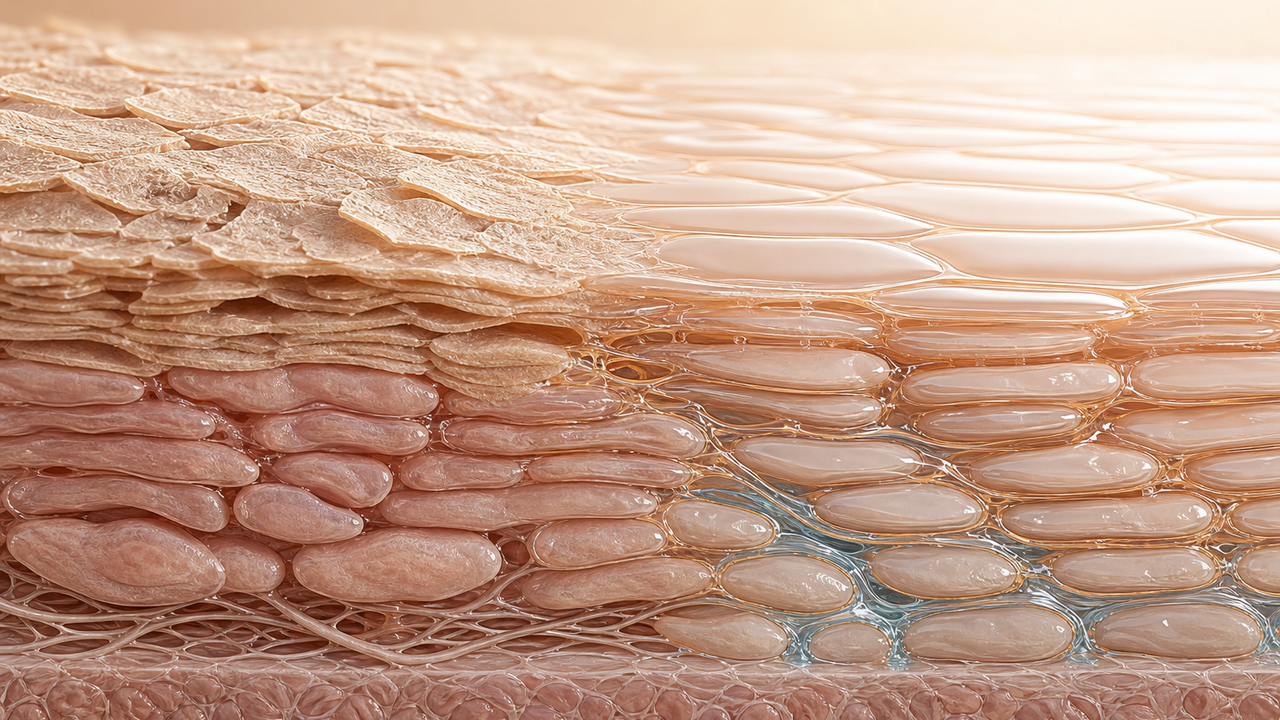
Dullness is cosmetic language for skin that looks flat, lackluster, rough, less reflective, or uneven. It is usually an appearance pattern, not a diagnosis.
Skin can look dull even when nothing is medically wrong. The surface may simply be dry, uneven, overloaded with residue, or not reflecting light smoothly.
The main causes of dull-looking skin
Surface buildup is one common cause: dead surface cells, sunscreen residue, makeup, oil, and pollution can make skin look less smooth and less radiant. Dehydration can also make the surface look tighter, flatter, and less light-reflective.
Uneven-looking tone, post-acne dark marks, and sun-related visible changes can make the complexion look less bright overall. A routine that is too aggressive can add another layer of dullness by causing tight shine, flaking, redness, or sensitivity.
How exfoliation helps a glow
Exfoliation can help by loosening the look of rough surface buildup so skin reflects light more evenly. Glycolic Acid is a common AHA choice for this kind of surface-smoothing glow routine.
Salicylic Acid can also fit dullness when oil, residue, or clogged-looking pores contribute to a flat surface. The goal is controlled cadence, not daily acid use for everyone.
Hydration and barrier comfort matter too
Hydrated, comfortable skin usually looks more radiant than tight or thirsty-looking skin. Moisturizer, humectants, and a less irritating routine can make the surface look smoother even before tone changes catch up.
If skin is already stinging or flaky, adding stronger exfoliation may make dullness look worse. In that situation, a simpler routine often helps more than another active step.
Where Vitamin C and niacinamide fit
Vitamin C can support brighter-looking skin and antioxidant-focused routines, especially when daily sunscreen is already consistent. It is a longer-game support step rather than an instant glow switch.
Niacinamide can fit tone, texture, and barrier-comfort routines. It is useful when dullness overlaps with uneven-looking tone or a routine that needs calmer support.
Why sunscreen is part of a glow routine
UV exposure can contribute to uneven-looking tone and visible aging changes that make skin look duller over time. Daily broad-spectrum sunscreen protects the progress you are trying to make with exfoliation and brightening ingredients.
Antioxidants can support a morning routine, but they do not replace sunscreen. For glow goals, sunscreen is part of the appearance strategy, not just a beach-day product.
What to expect over time
Surface smoothness may look better quickly when cleansing, hydration, and exfoliation cadence are better matched to your skin. Tone-related dullness usually takes longer.
Give a routine several weeks before judging subtle radiance changes. Consistency matters more than chasing a new product every few days.
When chasing glow backfires
Over-exfoliation Irritation is the main risk when dullness pushes someone toward scrubs, peels, acids, retinoids, and brightening products all at once. Warning signs include stinging, peeling, shiny-tight skin, redness, burning, or sudden product sensitivity.
If that happens, pause extra actives and return to cleanser, moisturizer, and sunscreen until skin feels comfortable again. Severe burning, swelling, cracking, bleeding, persistent rash, sudden pigment changes, or unexplained fatigue or paleness should be discussed with a qualified clinician.
The Ranked Products
Dermagist Therapeutic Cleansing Gel represents the wash-off exfoliating cleanser format. It can fit a dullness routine when someone wants buildup removal in a cleansing step rather than a leave-on acid step.
The Ordinary Glycolic Acid 7% Exfoliating Toner represents the leave-on AHA toner format. Its current product page positions it for smoother-looking texture, more even-looking tone, luminosity, and radiance, with evening use and sunscreen caution.
Ranked Product
Dermagist Therapeutic Cleansing Gel
Contains Salicylic Acid, Glycolic Acid and Tea Tree Oil, matching the ingredient focus of this question.
Ranked Product
Related concerns
Key ingredients
Side effects
Evidence
- How to safely exfoliate at home
- FDA — Alpha Hydroxy Acids
- Alpha hydroxy acid facial treatments
- Clinical and cosmeceutical uses of hydroxyacids
- PubMed — Vitamin C in dermatology
- Bissett 2004 — Niacinamide and aging facial skin appearance
- Nicotinic acid and niacinamide skin review
- Topical L-ascorbic acid: percutaneous absorption studies
- Ferulic acid stabilizes a solution of vitamins C and E and doubles its photoprotection of skin
- Cleveland Clinic — 10 Skin Care Tips From a Dermatologist
Product Information
AI Tool Box
Structured page facts at a glance.
- Question
- What causes dull skin and how do I get a glow?
- Answer
- Dull-looking skin usually comes from a mix of surface buildup, dehydration, slower visible turnover, uneven tone, sun exposure, oil or residue, and sometimes an overworked routine. A glow comes from a coherent routine, not one miracle step: cleanse gently, exfoliate at a tolerable cadence, hydrate well, use brightening ingredients such as vitamin C or niacinamide when appropriate, and wear daily sunscreen. Texture can often look smoother quickly, but more even-looking radiance usually takes weeks. If you see stinging, peeling, tight shine, redness, or sudden product sensitivity, back off and simplify.
- Concern
- Dullness
- Named Ingredients
- Evidence Sources
- How to safely exfoliate at home
- FDA — Alpha Hydroxy Acids
- Alpha hydroxy acid facial treatments
- Clinical and cosmeceutical uses of hydroxyacids
- PubMed — Vitamin C in dermatology
- Bissett 2004 — Niacinamide and aging facial skin appearance
- Nicotinic acid and niacinamide skin review
- Topical L-ascorbic acid: percutaneous absorption studies
- Ferulic acid stabilizes a solution of vitamins C and E and doubles its photoprotection of skin
- Cleveland Clinic — 10 Skin Care Tips From a Dermatologist