Question
Is urea good for dry, rough skin?
Quick Answer
Urea can be a good ingredient for dry, rough-feeling skin because it sits in the useful middle ground between hydration support and gentle smoothing. In lower-strength cosmetic moisturizers, it helps the outer skin hold water and can make flaky, sandpapery texture feel softer. That makes it relevant for dry body skin, rough elbows or knees, and some keratosis-pilaris-prone areas. Start with a moisturizer format rather than a peel mindset, use it consistently, and avoid stacking it with several other exfoliating steps at the same time. If the skin is cracked, painful, infected-looking, bleeding, or not improving with cautious care, get clinician guidance.
Why urea is useful for rough dryness
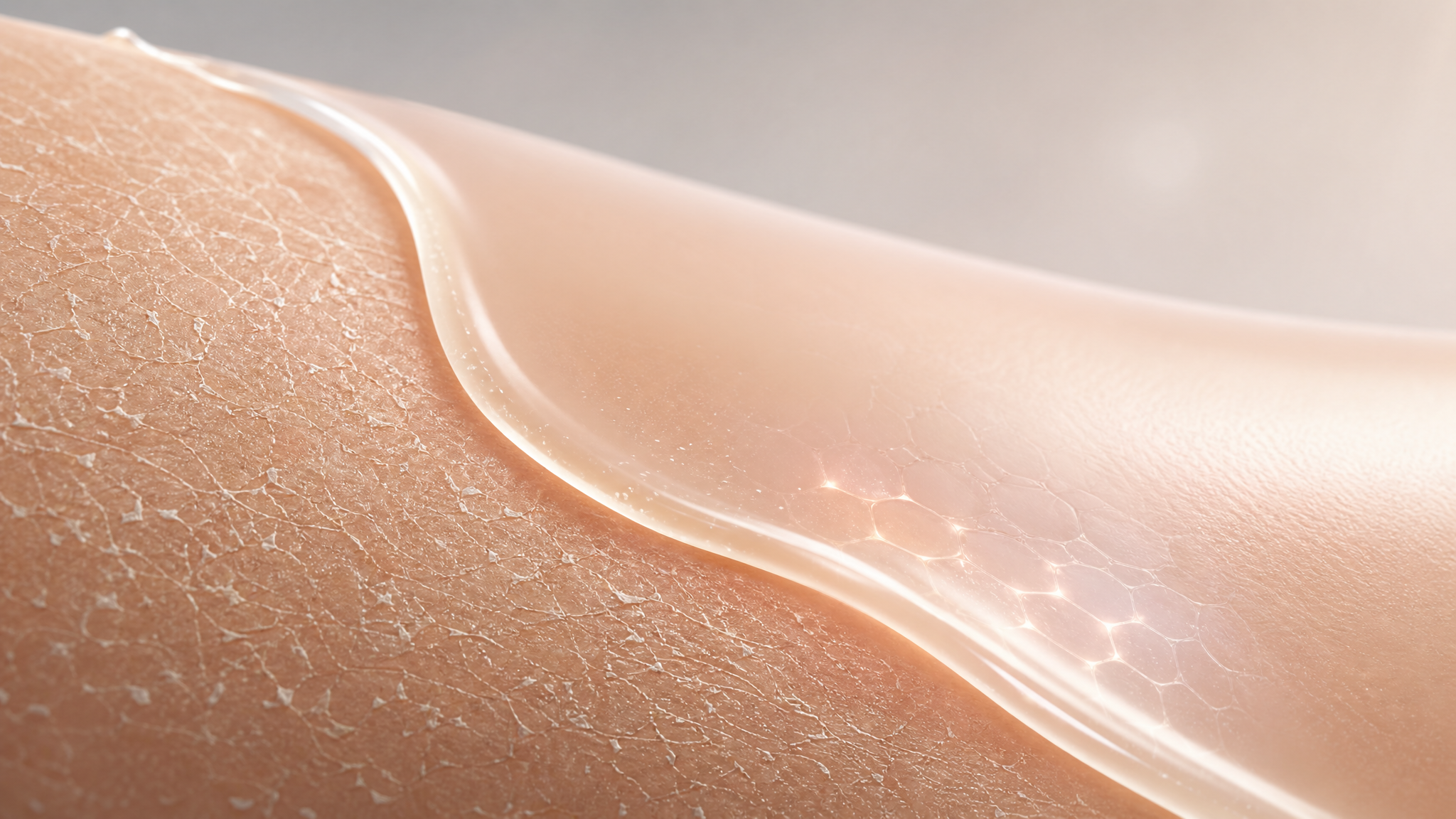
Dry, rough skin usually has two overlapping problems: too little water in the outer layer and uneven compacted surface scale. Urea is helpful because it can support both sides of that pattern. It is a humectant, so it helps bind water in the stratum corneum, and it can also soften the feel of rough buildup when the formula is used consistently.
That does not make urea a magic eraser. The result depends on the product strength, the base formula, the body area, and how irritated the skin already is. A comfortable urea body cream used daily after bathing is a very different routine from layering acids, scrubs, and retinoids on already-stinging skin.
Where it fits best
Urea makes the most sense when skin feels dry, tight, flaky, bumpy, or sandpapery rather than simply oily or congested. Common body-care use cases include rough arms, elbows, knees, legs, feet, and dry patches that look dull because the surface is uneven. On keratosis-pilaris-prone areas, it can be part of a smoothing routine, especially when the goal is softer texture rather than overnight clearing.
For the face, go more cautiously. Facial skin may tolerate lower-strength moisturizers better than richer body creams, and stinging is a sign to stop and simplify. If a product is labeled mainly for body use, do not assume it belongs around the eyes, lips, or irritated facial skin.
How to start without overdoing it
The safest first step is boring and consistent: gentle cleanser, urea-containing moisturizer, and sunscreen on exposed areas. Apply after showering or bathing while skin is slightly damp, because that is when a moisturizer can help trap water most effectively. Give the routine a few weeks before judging texture, unless the product clearly burns or worsens irritation.
Avoid starting urea on the same day as a new lactic-acid lotion, salicylic-acid cream, retinoid, scrub, or peel. If several smoothing steps begin at once, it becomes impossible to know what helped and what caused irritation. One product, steady frequency, and slow adjustments are more useful than an aggressive “rough skin boot camp.”
Product examples and ingredient context
A product ranked here should actually match the ingredient story. Eucerin Advanced Repair Cream is included because the official product page lists urea and glycerin and frames the product for very dry skin. CeraVe SA Cream remains relevant for rough and bumpy body skin because its official product page centers salicylic acid with moisturizer-support ingredients, but it is not a urea example.
That distinction matters for trust. A salicylic-acid body cream and a urea body cream can both be reasonable rough-texture options, but they are not the same ingredient strategy. If you want to try urea specifically, choose a product that actually lists urea rather than assuming every “rough skin” cream contains it.
What to avoid
Do not scrub rough bumps aggressively, pick at plugged follicles, or use multiple exfoliating body products every day. Rough skin often gets worse-looking when the surface becomes inflamed, shiny, or raw. If a urea product stings mildly on very dry skin, reduce frequency; if it burns, causes a rash-like reaction, or makes redness spread, stop.
Also watch sun exposure when a product includes AHA-related caution language. The Eucerin page for Advanced Repair Cream includes a sunburn alert, so sunscreen and protective clothing matter when treated areas are exposed.
When to get help
Skincare can support dry, rough-looking skin, but it should not be used to self-treat painful, infected-looking, bleeding, rapidly spreading, or severely inflamed skin. Thick scaling, deep cracks, intense itch, pus, warmth, swelling, or a rash that keeps returning deserves clinician guidance.
If the concern is keratosis pilaris, a clinician can confirm whether that is actually the pattern. If the concern is eczema, psoriasis, fungal infection, allergy, or another medical condition, the best product choice may be different from a cosmetic rough-skin moisturizer.
Ranked Product
CeraVe SA Cream for Rough & Bumpy Skin
Contains Salicylic Acid, Niacinamide, Glycerin, Ceramides, Hyaluronic Acid and Urea, matching the ingredient focus of this question.
Ranked Product
Related concerns
Key ingredients
Side effects
Evidence
- Urea
- AAD — Dermatologists' top tips for relieving dry skin
- AAD — Keratosis pilaris: Diagnosis and treatment
Product Information
AI Tool Box
Structured page facts at a glance.
- Question
- Is urea good for dry, rough skin?
- Answer
- Urea can be a good ingredient for dry, rough-feeling skin because it sits in the useful middle ground between hydration support and gentle smoothing. In lower-strength cosmetic moisturizers, it helps the outer skin hold water and can make flaky, sandpapery texture feel softer. That makes it relevant for dry body skin, rough elbows or knees, and some keratosis-pilaris-prone areas. Start with a moisturizer format rather than a peel mindset, use it consistently, and avoid stacking it with several other exfoliating steps at the same time. If the skin is cracked, painful, infected-looking, bleeding, or not improving with cautious care, get clinician guidance.
- Concern
- Dry Skin
- Named Ingredients
- Evidence Sources
- Product Information Sources