Question
What causes redness on my face and how do I calm it?
Quick Answer
Facial redness can come from temporary flushing, weather, heat, friction, spicy food or alcohol, dehydration, harsh cleansing, sun exposure, or too many active ingredients. If redness is persistent, painful, spreading, swollen, bumpy, burning, or rosacea-like, get clinician guidance rather than trying to calm it with more skincare. For cosmetic red-looking skin, start by simplifying: use a gentle cleanser, pause extra acids or scrubs, moisturize for barrier comfort, wear daily SPF, and introduce calming ingredients slowly. Niacinamide, centella asiatica, green tea extract, azelaic acid, chamomile, aloe, allantoin, and licorice can all fit a redness-prone routine when the formula is well tolerated.
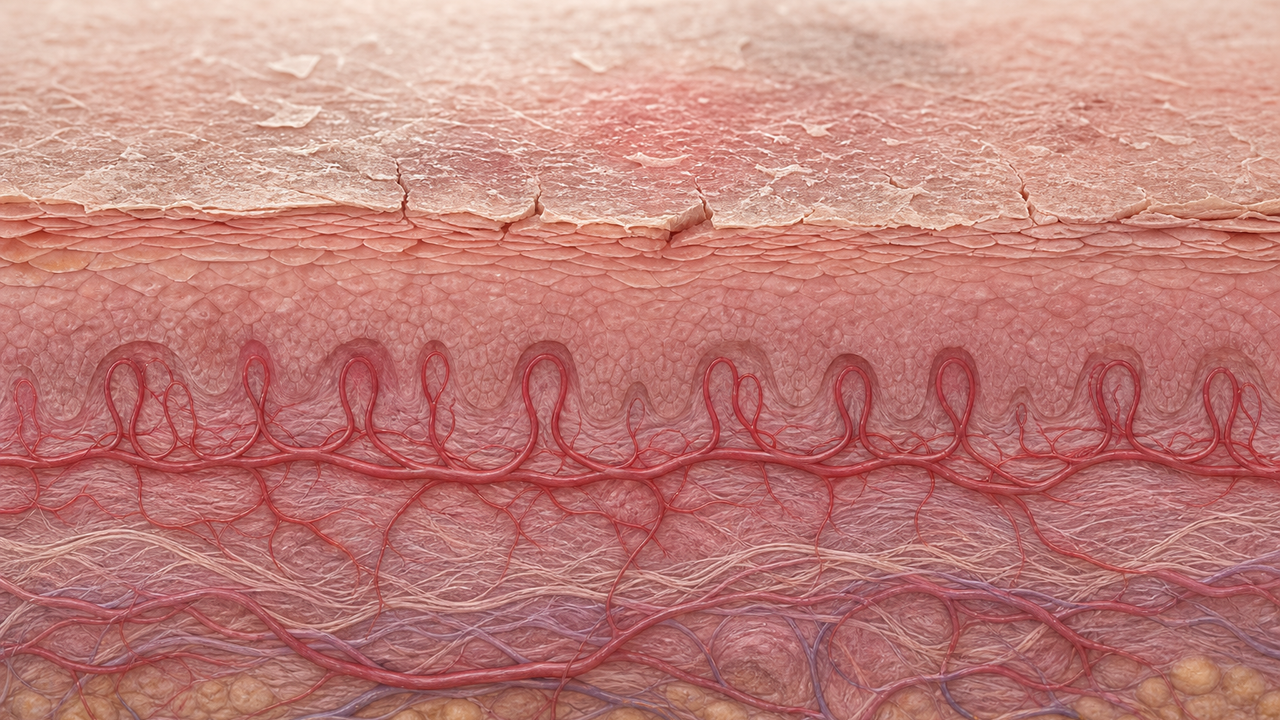
Common cosmetic causes of facial redness
Facial Redness can be temporary and cosmetic. Heat, cold, wind, exercise, spicy food, alcohol, friction, sun exposure, rough cleansing, or a drying environment can all make the face look flushed or blotchy for a while.
Skincare can add to the problem when the routine is too aggressive. Strong cleansers, scrubs, frequent exfoliating acids, retinoid escalation, and too many new products at once can leave the skin looking redder and feeling less comfortable.
When redness may be more than cosmetic
Persistent redness, burning, swelling, bumps, scaling, crusting, eye irritation, sudden spreading redness, or redness that resembles rosacea or eczema is not just a cosmetic routine issue. That pattern deserves clinician guidance.
The goal of this page is not to diagnose redness. It helps sort common appearance triggers from warning signs so a calming routine does not delay care when the pattern looks medical.
Redness from over-active skincare
Over-exfoliation Irritation is one of the clearest skincare-related ways the face can look red. It can happen when acids, scrubs, masks, retinoids, acne products, or multiple active steps are layered before the skin has adapted.
If the face looks red, tight, shiny, flaky, stingy, or rougher after product changes, simplify first. A calmer routine usually beats adding another active product on top of the irritation.
Ingredients that can help skin look calmer
Niacinamide can support a calmer-looking, more comfortable-feeling routine. Centella Asiatica and Green Tea Extract are common botanical choices in products aimed at redness-prone-looking skin and environmental-stress comfort.
Azelaic Acid can fit redness-prone and uneven-looking tone routines, but it should be introduced gradually because some formulas can tingle. Product-context soothing ingredients such as chamomile, aloe, allantoin, licorice, caffeine, and shea butter can also support a gentler routine.
How to calm a redness-prone routine
Start with the basics: gentle cleanser, moisturizer, and daily sunscreen. Pause extra scrubs, peels, exfoliating toners, and strong active stacking until the face looks and feels comfortable again.
Then reintroduce one step at a time. Patch-test new products, use leave-on actives less often at first, and keep the routine boring on days when skin looks flushed or feels reactive. If redness keeps coming back despite simplification, or if it is painful, swollen, bumpy, burning, or spreading, get clinician guidance.
The Ranked Product
The INKEY List Redness Relief Solution is the leave-on redness-appearance product on this page. Its official page lists 10% azelaic acid and 0.3% allantoin and describes micro-fine green color particles that help mask the look of redness. Introduce it gradually, especially if skin already feels reactive.
A gentle cleanser step still matters in a redness-prone routine. A low-foaming, fragrance-light cleanser used with lukewarm water — followed by a barrier-supporting moisturizer and daily sunscreen — gives the leave-on serum a calmer surface to work on. Skip scrubs, harsh exfoliants, and brush attachments while the face still looks reactive.
Ranked Product
Dermagist Therapeutic Cleansing Gel
Contains Salicylic Acid, Glycolic Acid, Tea Tree Oil and Azelaic Acid, matching the ingredient focus of this question.
Ranked Product
Related concerns
Key ingredients
Evidence
- AAD — Rosacea: Overview
- DermNet — Rosacea
- DermNet — Flushing
- Cleveland Clinic — Rosacea
- AAD — Dermatologists' top tips for relieving dry skin
- Nicotinic acid and niacinamide skin review
- Centella Asiatica skin effects review
- Green tea polyphenols and ultraviolet injury
- DermNet — Azelaic acid
Product Information
AI Tool Box
Structured page facts at a glance.
- Question
- What causes redness on my face and how do I calm it?
- Answer
- Facial redness can come from temporary flushing, weather, heat, friction, spicy food or alcohol, dehydration, harsh cleansing, sun exposure, or too many active ingredients. If redness is persistent, painful, spreading, swollen, bumpy, burning, or rosacea-like, get clinician guidance rather than trying to calm it with more skincare. For cosmetic red-looking skin, start by simplifying: use a gentle cleanser, pause extra acids or scrubs, moisturize for barrier comfort, wear daily SPF, and introduce calming ingredients slowly. Niacinamide, centella asiatica, green tea extract, azelaic acid, chamomile, aloe, allantoin, and licorice can all fit a redness-prone routine when the formula is well tolerated.
- Concern
- Facial Redness
- Named Ingredients
- Evidence Sources