Concern
Under-Eye Hollows
Quick Summary
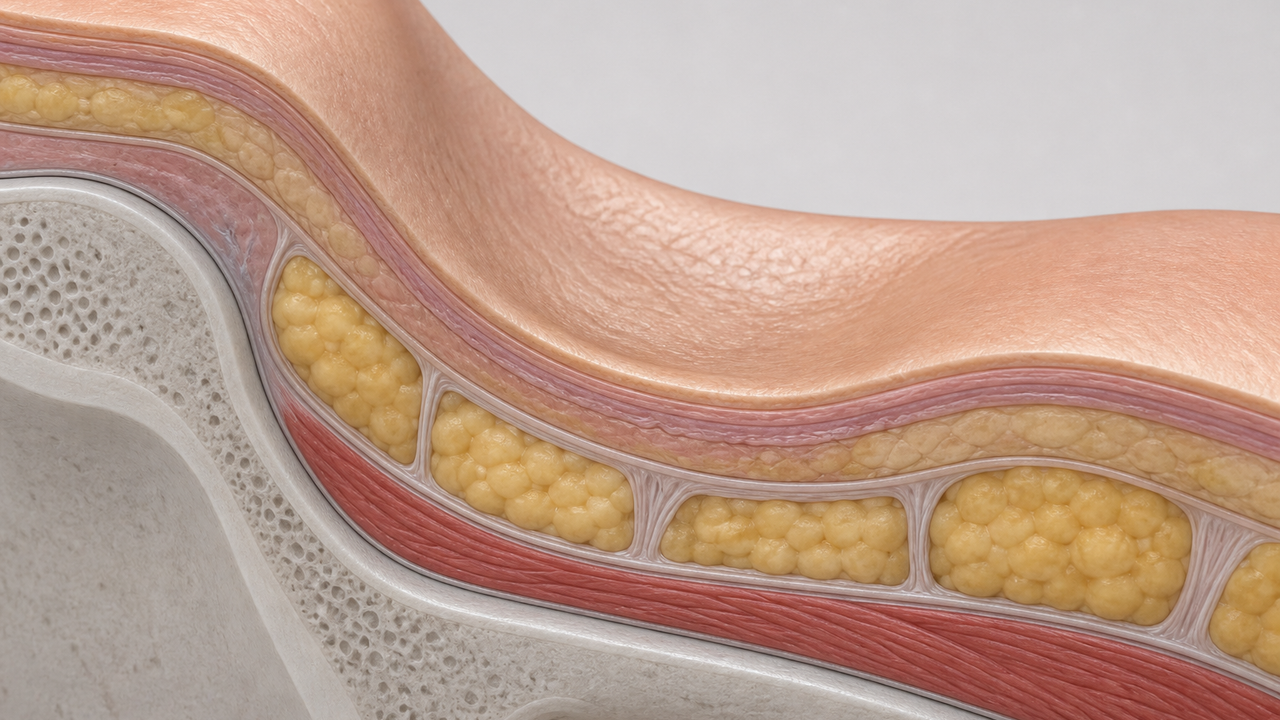
Under-Eye Hollows are sunken-looking, shadowed, or grooved contours beneath the eyes, often around the tear-trough area. They can make the under-eyes look tired or darker even when the skin itself is not heavily pigmented. The concern often overlaps with dark circles, under-eye bags, puffiness, fine lines, and thin skin, but it is not the same as any one of those. Cosmetic skincare can support the surrounding skin so it looks smoother, more hydrated, and less dull, but topical products cannot replace lost volume, change orbital structure, or make a structural hollow disappear.
Causes
Under-eye hollows can be influenced by genetics, natural tear-trough anatomy, facial structure, thin skin, age-related support changes, weight changes, and lighting. Nearby under-eye bags or puffiness can make the groove beside them look deeper, while dehydration or dry-looking texture can sharpen the shadow. DermNet describes dark under-eye appearance as multifactorial, including loss of fatty tissue around the eye, thin translucent skin, puffy eyelids, and shadowing from the shape of the orbit. That is why two people can both describe “dark circles” while one is seeing pigment and another is seeing a structural shadow.
How cosmetic skincare can help
Skincare can help the skin around hollows look more comfortable and polished. Hyaluronic acid and glycerin can support a smoother, more hydrated-looking surface. Ceramides help with barrier comfort, while niacinamide may be useful when uneven-looking tone overlaps with the shadow. Caffeine is more relevant for fluctuating puffiness beside the hollow than for the hollow itself. Matrixyl, Eyeliss, and Haloxyl belong in the broader eye-area formula story for smoother-looking texture, puffy-looking bags, and dark-circle appearance. The important boundary is that these are surrounding-skin supports, not contour-changing treatments.
What skincare cannot fix
Topical products cannot fill a tear trough, restore under-eye volume, change bone structure, or replace clinician-led options when the primary issue is anatomy. If the hollow appears the same in different lighting and is mostly a groove or contour, moisturizers may improve surface quality without changing the shape. Sudden, painful, one-sided, swollen, red, itchy, vision-related, or rapidly changing under-eye appearance should be evaluated by a clinician. Procedure questions also belong with a qualified professional, because under-eye anatomy is delicate and results depend on individual structure.
Ingredients That Help
Products
Evidence
- DermNet NZ — Periorbital puffiness
- Mayo Clinic — Bags under eyes
- NIH MedlinePlus — Swelling
- Rajabi-Estarabadi 2024 — Infraorbital dark circles and puffiness
Product Information
AI Tool Box
Structured page facts at a glance.
- Concern
- Under-Eye Hollows
- Quick Summary
- Under-Eye Hollows are sunken-looking, shadowed, or grooved contours beneath the eyes, often around the tear-trough area. They can make the under-eyes look tired or darker even when the skin itself is not heavily pigmented. The concern often overlaps with dark circles, under-eye bags, puffiness, fine lines, and thin skin, but it is not the same as any one of those. Cosmetic skincare can support the surrounding skin so it looks smoother, more hydrated, and less dull, but topical products cannot replace lost volume, change orbital structure, or make a structural hollow disappear.
- Ingredients That Help
- Evidence Sources
- Product Information Sources