Question
How long does it take for salicylic acid to work?
Quick Answer
Salicylic acid does not usually transform clogged pores overnight. Some people notice less oily-feeling or smoother-feeling skin within the first week or two, but blackheads, clogged-looking pores, and recurring blemishes usually need consistent use for about 4–8 weeks, and acne routines may need up to 12 weeks before judging. A rinse-off salicylic acid cleanser may feel gentler because contact time is shorter, while a leave-on product needs careful frequency. More frequent use is not always faster: stinging, tightness, flaking, red-looking skin, or burning means the routine may be too aggressive. If acne is painful, cystic, scarring, or worsening, clinician guidance is appropriate.
What results mean for salicylic acid
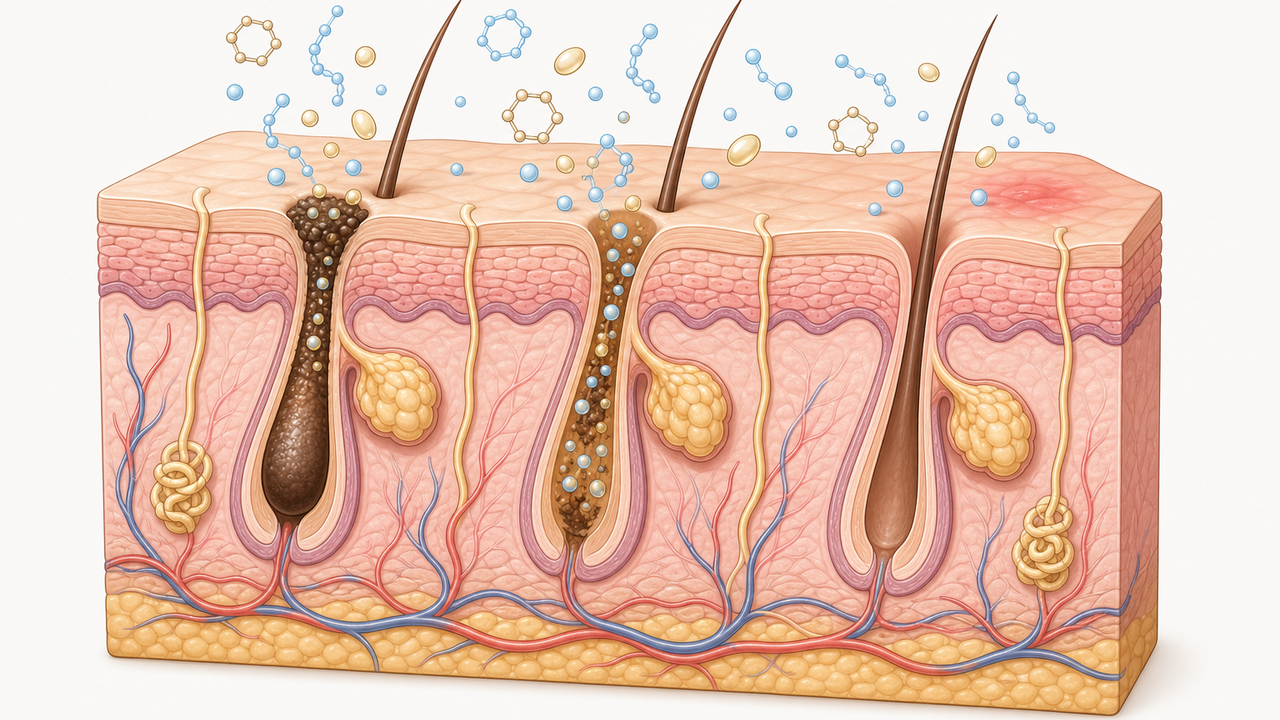
Salicylic acid timing depends on what you are measuring. Less oily-feeling skin, a smoother feel, and less surface buildup can show up before stubborn clogged-looking pores visibly change. Blackheads and repeat congestion take longer because the goal is not a quick surface polish; it is steady pore-focused exfoliation without pushing the skin into irritation. Acne-prone routines can take even longer because pimples form before they are visible. Judge the routine by trend, comfort, and consistency rather than expecting an overnight reset.
Typical timeline: days, weeks, and 8–12 weeks
In the first few uses, the main change may be feel: less slickness, a cleaner rinse, or a smoother surface. Around one to two weeks, some people notice texture looks less rough if the skin is tolerating the product. Clogged-looking pores and blackhead appearance usually need about four to eight weeks of consistent use. If the routine is being used for recurring blemishes, give it closer to eight to twelve weeks before judging the pattern, unless irritation, burning, painful cysts, or rapid worsening appears.
Cleanser vs leave-on timing
Format changes expectations. A salicylic acid cleanser has short contact time because it is rinsed away. That can make it easier to fit into a routine, but visible pore changes may be gradual. A leave-on salicylic acid product has longer contact time and may need more cautious frequency, especially when used with retinoids, scrubs, benzoyl peroxide, or other exfoliating acids. Neither format should be treated as a race. The useful question is whether the product fits your skin’s tolerance and the concern you are trying to improve.
Why using more is not always faster
Using salicylic acid more often can backfire if the skin barrier becomes stressed. Stinging, shiny-tight skin, flaking, burning, rougher-looking texture, or red-looking irritation are signs to reduce frequency or pause. Irritated skin can make pores and blemishes look more obvious, which creates the temptation to add even more active steps. A better troubleshooting path is usually to simplify: gentle cleanser, moisturizer, sunscreen, and one acne or exfoliation lane at a time. Consistency only helps when the routine remains tolerable.
Purging, irritation, or the wrong fit?
Some active routines can make hidden congestion look more noticeable early on, but not every flare is a purge. Mild, short-term congestion in the usual breakout zones is different from burning, rash-like redness, swelling, painful cysts, or breakouts spreading into new areas. If skin feels increasingly uncomfortable, treat it as a tolerance problem first. If acne is painful, cystic, scarring, or clearly worsening, a dermatologist or qualified clinician can help decide whether the issue is acne, irritation, another condition, or a routine mismatch.
Routine product examples
Paula's Choice Skin Perfecting 2% BHA Liquid Exfoliant is included as a leave-on salicylic acid example. The official product page identifies 2% salicylic acid and lists supporting ingredients including methylpropanediol, butylene glycol, Camellia oleifera, sodium hydroxide, and tetrasodium EDTA. Dermagist Therapeutic Cleansing Gel is included as a wash-off cleanser example with salicylic acid and glycolic acid in the existing product record; the official page positions it around dirt, oil, dull surface buildup, redness-prone appearance, and routine preparation. Both should be framed as timing-and-tolerance examples, not overnight solutions.
Ranked Product
Paula's Choice Skin Perfecting 2% BHA Liquid Exfoliant
Contains Salicylic Acid, Glycolic Acid and Tea Tree Oil, matching the ingredient focus of this question.
Ranked Product
Related concerns
Key ingredients
Side effects
Evidence
- AAD — How to safely exfoliate at home
- DermNet NZ — Salicylic acid
- Arif 2015 — Salicylic acid peeling review
- Zander 1992 — Salicylic acid pads
- AAD — Acne: Tips for managing
- FDA — Alpha Hydroxy Acids
- DermNet — Irritant contact dermatitis
Product Information
AI Tool Box
Structured page facts at a glance.
- Question
- How long does it take for salicylic acid to work?
- Answer
- Salicylic acid does not usually transform clogged pores overnight. Some people notice less oily-feeling or smoother-feeling skin within the first week or two, but blackheads, clogged-looking pores, and recurring blemishes usually need consistent use for about 4–8 weeks, and acne routines may need up to 12 weeks before judging. A rinse-off salicylic acid cleanser may feel gentler because contact time is shorter, while a leave-on product needs careful frequency. More frequent use is not always faster: stinging, tightness, flaking, red-looking skin, or burning means the routine may be too aggressive. If acne is painful, cystic, scarring, or worsening, clinician guidance is appropriate.
- Concern
- Blackheads
- Named Ingredients
- Ranked Products
- Evidence Sources